Hickory wood represents the pinnacle of strength and toughness among North American hardwoods, earning its legendary status through centuries of demanding applications where durability is non-negotiable. This remarkable timber, primarily harvested from shagbark hickory (Carya ovata) and pignut hickory (Carya glabra), combines exceptional hardness with outstanding shock resistance that has made it the gold standard for tool handles, smoking wood, and heavy-duty construction. From the hammer handles that built America to the smokehouses that define Southern barbecue, hickory embodies the perfect fusion of uncompromising strength and distinctive character.
Unlock 16,000+ Woodworking Plans: Ready to tackle your next hickory project? Get instant access to Ted’s Woodworking plans now and master this challenging but rewarding wood!
The Natural Properties of Hickory Wood
Appearance and Color Characteristics
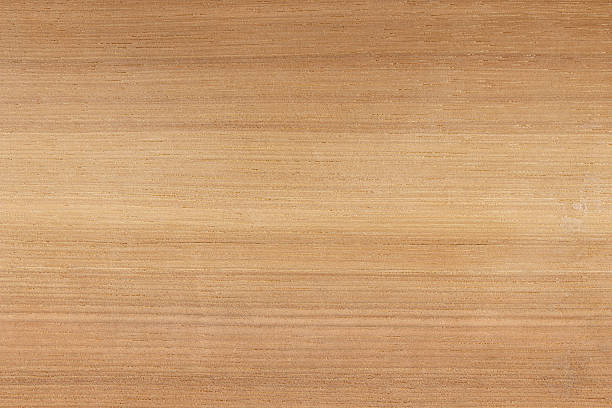
Hickory displays one of the most dramatic color contrasts among domestic hardwoods, creating striking visual impact that ranges from nearly pure white sapwood to rich, chocolate-brown heartwood. This natural variation provides woodworkers with exceptional design flexibility, allowing for projects that celebrate the wood’s inherent character or utilize specific portions for consistent coloration.
The sapwood typically appears creamy white to pale yellow, often comprising a significant portion of the board width. The heartwood ranges from light brown to dark reddish-brown, sometimes featuring irregular streaking that creates unique figure patterns. This color variation is so pronounced that many woodworkers specifically select hickory for projects where dramatic contrast enhances the design.
The grain pattern in hickory is typically straight with occasional interlocked areas, creating visual interest while maintaining the wood’s structural integrity. Growth rings are prominent and well-defined, producing attractive figure in both plain-sawn and quarter-sawn lumber. The wood’s natural luster is moderate, providing an appealing surface that responds beautifully to both oil and film finishes.
One of hickory’s most distinctive characteristics is its ability to maintain character even when processed. Unlike some species that lose personality through milling, hickory retains its bold appearance and strong visual presence, making it ideal for applications where wood character is desired rather than hidden.
Hardness and Durability Profile
Hickory stands as the undisputed champion of hardness among commonly available North American species, registering an impressive 1,820 pounds-force (lbf) on the Janka hardness scale. This exceptional hardness translates directly into superior wear resistance and longevity in demanding applications.
Hardness Comparison Table:
| Wood Species | Janka Hardness (lbf) |
|---|---|
| Basswood | 410 |
| White Pine | 420 |
| Poplar | 540 |
| Alder | 590 |
| Black Cherry | 950 |
| Red Oak | 1,290 |
| White Ash | 1,320 |
| White Oak | 1,360 |
| Hard Maple | 1,450 |
| Hickory | 1,820 |
The wood’s exceptional hardness contributes to unmatched impact resistance and shock absorption capabilities. Hickory’s cellular structure features thick cell walls and dense grain patterns that distribute impact forces effectively, explaining its traditional dominance in applications requiring repeated stress resistance.
This hardness comes with trade-offs in workability, requiring sharp tools, proper technique, and patience to achieve quality results. However, the effort invested in working hickory pays dividends through the finished product’s exceptional durability and longevity.
Density and Weight Considerations
Hickory’s high density reflects its incredible strength, with dried weight averaging 800-850 kg/m³, making it one of the heaviest domestic hardwoods. This substantial weight contributes to the wood’s excellent stability and resistance to warping, though it requires consideration in applications where weight matters.
The species exhibits remarkable consistency in density throughout the tree, with minimal variation between sapwood and heartwood. This uniformity contributes to predictable working characteristics and consistent performance across different board sections.
Despite its weight, hickory’s strength-to-weight ratio remains favorable for applications requiring maximum durability. The wood’s density translates into excellent screw-holding power and joint strength that surpasses most other domestic species.
Master Hickory’s Challenges: Hickory demands skill, but Ted’s Woodworking plans provide the expertise you need to work confidently with this premium hardwood.
Working Properties of Hickory
Machining and Processing Capabilities
Hickory presents unique challenges that reward proper technique with outstanding results:
Cutting and Sawing: Requires carbide-tipped blades and slower feed rates to prevent burning and ensure clean cuts
Planing and Jointing: Demands exceptionally sharp knives and light passes to prevent tear-out and chipping
Drilling and Boring: Creates clean holes when using appropriate speeds, though pre-drilling prevents splitting
Turning: Excellent on the lathe once proper speeds are established, holding fine detail exceptionally well
Carving: Challenging for hand carving due to extreme hardness, but capable of holding intricate detail
Sanding: Requires patience and sharp abrasives, but achieves smooth surfaces with proper technique
The key to successful hickory machining lies in tool preparation and technique adjustment. Carbide tooling is strongly recommended for power operations, while hand tools must be kept razor-sharp. Feed rates should be reduced compared to softer species, and attention to chip evacuation prevents heat buildup that can burn the wood.
Joining and Fastening Performance
Hickory excels in joinery applications when proper techniques are employed:
Mechanical Fasteners: Provides exceptional holding power but requires pre-drilling to prevent splitting
Glue Joints: Forms incredibly strong bonds when surfaces are properly prepared and clamped adequately
Traditional Joinery: Outstanding for mortise and tenon, dovetail, and other high-stress joints
Steam Bending: Good flexibility when properly steamed, though less cooperative than ash or oak
The wood’s density and hardness create challenges in joint cutting but reward careful work with joints that will outlast most other species. Hickory’s exceptional strength means that properly executed joints become the strongest points in any assembly rather than potential failure points.
Finishing and Staining Qualities
Hickory’s dramatic color variation requires careful consideration during finishing:
Natural Finishes: Clear finishes enhance the striking contrast between sapwood and heartwood
Staining: Accepts stains well, though the natural color variation may affect final appearance
Grain Filling: Open grain may require filling for completely smooth surfaces
Film Finishes: Takes all common finishes well with proper preparation and technique
Oil Finishes: Responds beautifully to penetrating oils that enhance natural character
The wood’s natural color variation often eliminates the need for staining, as the inherent contrast provides visual interest. When staining is desired, test pieces are essential due to the different absorption rates between sapwood and heartwood.
Sustainability and Environmental Aspects
Growth and Harvesting Patterns
Hickory represents a sustainable hardwood choice when sourced from properly managed forests. Hickory trees demonstrate moderate growth rates, typically reaching commercial maturity in 80-120 years, depending on species and growing conditions. This longer growth cycle compared to fast-growing species requires thoughtful forest management but produces wood with exceptional characteristics.
The species exhibits several positive sustainability traits:
- Naturally regenerates well in appropriate forest conditions
- Supports diverse wildlife through nut production and habitat provision
- Responds positively to selective harvesting practices
- Available from certified sustainable forestry operations across its range
- Demonstrates resistance to many common forest diseases and pests
Environmental Benefits and Challenges
Hickory forests provide significant environmental benefits while facing manageable challenges:
Environmental Benefits:
- Excellent carbon sequestration due to dense wood and substantial tree size
- Important food source for wildlife through nut production
- Deep root systems that prevent soil erosion and improve soil structure
- Long-lived trees that provide stable habitat over extended periods
Management Challenges:
- Slower growth rates require patient forest management
- Competition from faster-growing species in some forest types
- Specialized harvesting techniques needed due to wood hardness
- Processing challenges that may limit utilization of smaller diameter trees
Conservation Opportunities:
- Selective harvesting maintains forest health while providing income
- Value-added processing creates economic incentives for sustainable management
- Research into growth acceleration techniques while maintaining wood quality
Carbon Footprint and Sustainability
Hickory’s exceptional durability extends product lifecycles significantly, improving the effective carbon storage period for finished goods. The wood’s legendary longevity means that hickory products often outlast several generations of replacement products made from other materials, creating favorable lifecycle environmental impacts.
Local sourcing reduces transportation-related emissions, while hickory’s processing efficiency has improved through advances in tooling and technique development. The wood’s value justifies the energy investment required for processing, creating favorable economic conditions for sustainable forestry practices.
Free Woodworking Calculators for Perfect Cuts: Before you tackle hickory’s challenges, visit DomesticDecorStore.com for calculators that help you plan every cut precisely.
Common Applications for Hickory Wood
Tool Handles and Industrial Applications
Hickory has dominated tool handle applications for generations due to its unmatched combination of strength, shock resistance, and reliability:
Hand Tool Handles: The traditional choice for hammers, axes, picks, and sledges where impact resistance is crucial
Agricultural Tools: Excellent for hoe handles, rake handles, and other farm implements requiring durability
Striking Tools: Preferred for mallets and other tools where the handle must absorb repeated impacts
Industrial Applications: Used in machinery parts, levers, and components requiring exceptional strength
Ladder Construction: Traditional choice for heavy-duty ladder rails and rungs
The wood’s straight grain and exceptional strength make it irreplaceable in applications where tool failure could result in injury or property damage. Professional craftspeople and serious hobbyists continue to prefer hickory handles for their reliability and longevity.
Specialty Furniture and Cabinetry
Hickory’s distinctive appearance and incredible durability make it valuable for specific furniture applications:
Rustic and Lodge Furniture: The dramatic color variation perfectly suits rustic and cabin-style furniture
Heavy-Duty Seating: Ideal for chairs and benches requiring maximum structural integrity
Butcher Block Tops: Excellent for kitchen work surfaces that must withstand heavy use
Storage Furniture: Perfect for garage cabinets and workshop storage requiring impact resistance
Accent Pieces: Used strategically to provide visual contrast in mixed-species projects
Flooring and Architectural Applications
Hickory’s hardness and attractive appearance make it increasingly popular for flooring:
High-Traffic Flooring: Exceptional wear resistance for commercial and residential high-use areas
Rustic and Farmhouse Styles: The color variation creates authentic rustic character
Stair Treads and Risers: Provides safety and durability for stairway construction
Architectural Millwork: Custom trim and molding where durability is essential
Wainscoting and Paneling: Creates dramatic wall treatments with natural character variation
Smoking and Culinary Applications
Hickory’s culinary applications represent a unique niche among hardwood species:
Barbecue Smoking: The gold standard for smoking meats, providing distinctive flavor
Cooking Utensils: Excellent for cutting boards, rolling pins, and other kitchen tools
Food Preparation Surfaces: Natural antimicrobial properties and extreme durability
Smoking Chips and Chunks: Commercial production for barbecue and food smoking
Traditional Smoking Houses: Historical and contemporary meat preservation facilities
Build Like a Pro With Expert Plans: Hickory projects demand precision and skill. Ted’s comprehensive plan library shows you exactly how to succeed with this challenging wood.
Selecting Hickory for Your Project
Grading Standards and Quality Assessment
Hickory lumber follows National Hardwood Lumber Association (NHLA) standards with specific considerations for color variation:
FAS (First and Second): Highest grade with minimum 83% clear material, though color variation is acceptable
Select: High-quality boards suitable for most furniture and millwork applications
No. 1 Common: Good quality allowing some character marks, popular for rustic applications
No. 2 Common: Increased character marks, excellent for projects celebrating natural variation
No. 3 Common: Significant character, appropriate for utility applications or rustic designs
Sap/Heart Sorting: Some suppliers offer boards sorted by predominant color for specific applications
Rustic Grades: Specialty grades celebrating hickory’s natural character variation
Species Selection Considerations
Different hickory species offer varying characteristics for specific applications:
Shagbark Hickory (Carya ovata): Strongest and most desirable, preferred for tool handles and high-stress applications
Pignut Hickory (Carya glabra): Excellent strength with slightly finer grain, good for furniture applications
Shellbark Hickory (Carya laciniosa): Large nuts and good wood properties, though less commonly available
Mockernut Hickory (Carya tomentosa): Dense, strong wood excellent for industrial applications
Pecan (Carya illinoinensis): Technically a hickory with similar properties but different grain patterns
Cost Considerations and Value Analysis
Hickory typically commands premium pricing due to its exceptional properties and specialized applications. The wood’s cost reflects processing challenges, limited supply from sustainable sources, and high demand for quality material.
Value analysis often favors hickory for applications requiring maximum durability, as the initial cost premium is offset by exceptional longevity and performance. For projects where strength and impact resistance are critical, hickory often proves more economical over the product lifecycle than less expensive alternatives requiring frequent replacement.
Regional pricing varies based on local availability and transportation costs. Areas with established hickory forests typically offer better pricing, while distant markets may see significant premiums.
Working with Hickory: Best Practices
Design Considerations for Hickory Projects
Successful hickory projects leverage the wood’s strengths while accommodating its unique characteristics:
Leverage These Strengths:
- Unmatched hardness and impact resistance for structural applications
- Dramatic color variation for visual interest and character
- Exceptional joint strength for long-term durability
- Natural antimicrobial properties for food-contact applications
- Outstanding screw and nail holding power
Account for These Characteristics:
- Extreme hardness requiring sharp tools and proper technique
- Seasonal movement with humidity changes
- Weight considerations for portable applications
- Potential for tool wear during extended machining operations
Processing and Construction Techniques
Optimize hickory’s performance through proper processing approaches:
Tool Preparation: Maintain exceptionally sharp cutting edges and use carbide tooling when possible
Feed Rate Management: Reduce cutting speeds to prevent burning and tool dulling
Moisture Content: Stabilize lumber to 6-8% moisture content before final machining
Grain Direction: Consider grain orientation carefully for maximum strength in structural applications
Joint Design: Design joints to utilize hickory’s exceptional strength while allowing for movement
Fastener Approach: Pre-drill all holes and use appropriate fastener materials for long-term performance
Finishing Methods for Optimal Results
Achieve the best results with hickory through appropriate finishing techniques:
Surface Preparation: Progress through grits carefully, as hickory’s hardness can require extended sanding time
Color Management: Decide whether to enhance or minimize natural color variation
Stain Testing: Always test stain application on scrap pieces due to variable absorption
Build Coat Application: Apply adequate protective coats for high-wear applications
Natural Enhancement: Consider clear finishes that celebrate hickory’s inherent character
Maintenance Planning: Choose finishes appropriate for the intended use and maintenance schedule
Your Hickory Masterpiece Starts Here: Don’t let hickory’s reputation intimidate you—Ted’s detailed plans make every cut count and every joint perfect.
Maintenance and Care for Hickory Wood Products
Daily Care Requirements
Hickory products benefit from appropriate routine maintenance that acknowledges the wood’s exceptional durability:
Regular Cleaning: Dust regularly with appropriate cloths to maintain surface quality
Spill Management: Address liquid spills promptly, though hickory’s density provides good protection
Impact Protection: Use appropriate protection for surfaces, though hickory resists damage better than most species
Environmental Control: Maintain reasonable humidity levels to minimize seasonal movement
Inspection Routine: Check mechanical fasteners periodically as the wood’s movement can affect connections
Long-term Preservation Strategies
Ensure extended life for hickory products through appropriate care:
Finish Maintenance: Refresh protective coatings before wear becomes problematic
Hardware Inspection: Check and adjust mechanical connections as seasonal movement occurs
Professional Assessment: Have valuable pieces inspected periodically, though hickory typically requires minimal intervention
Damage Documentation: Record any damage for future reference, as hickory often self-limits damage progression
Repair and Restoration Methods
Address damage to maintain hickory products effectively:
Minor Surface Damage: Often repairable through careful sanding and refinishing
Impact Damage: Hickory’s hardness limits damage but may require professional assessment for significant impacts
Joint Repairs: Mechanical joints can typically be disassembled and rebuilt due to hickory’s durability
Professional Restoration: Complex repairs benefit from professional expertise due to working challenges
Component Replacement: Plan for selective replacement in high-wear applications
Comparison with Alternative Wood Species
Hickory vs. Other Premium Hardwoods
Understanding comparative characteristics guides appropriate material selection:
| Characteristic | Hickory | Ash | Oak | Maple | Cherry | Walnut |
|---|---|---|---|---|---|---|
| Hardness (Janka) | 1,820 | 1,320 | 1,290-1,360 | 1,450 | 950 | 1,010 |
| Weight | Very Heavy | Medium | Heavy | Heavy | Medium | Medium |
| Price Point | High | Moderate | Moderate-High | Moderate-High | High | Very High |
| Workability | Challenging | Good | Moderate | Good | Excellent | Good |
| Strength | Exceptional | Excellent | Excellent | Very Good | Good | Good |
| Impact Resistance | Outstanding | Excellent | Good | Good | Fair | Fair |
| Color Variation | Dramatic | Minimal | Moderate | Minimal | Minimal | Moderate |
When to Choose Hickory Over Alternatives
Hickory becomes the optimal choice when:
Maximum Durability: Applications requiring the ultimate in impact resistance and longevity
Tool Handles: Traditional choice for implements requiring shock absorption
Rustic Aesthetics: Projects celebrating natural color variation and character
High-Stress Joints: Structural applications where joint failure is unacceptable
Food Contact: Kitchen applications benefiting from natural antimicrobial properties
Heavy-Duty Flooring: High-traffic areas requiring maximum wear resistance
When Other Woods May Be Preferable
Alternative species might be better choices when:
Ease of Working: Projects requiring extensive machining (consider ash or maple)
Weight Sensitivity: Portable applications where weight matters (consider ash or cherry)
Color Consistency: Projects requiring uniform appearance (consider maple or cherry)
Cost Sensitivity: Budget-conscious projects where extreme durability isn’t required
Fine Detail Work: Intricate carving or delicate operations (consider cherry or walnut)
Case Studies: Successful Hickory Wood Projects
Commercial Kitchen Renovation
A high-end restaurant chose hickory for its commercial kitchen renovation, focusing on durability and food safety:
Butcher Block Stations: Large hickory work surfaces provided exceptional durability for food preparation
Tool Handles: Custom knife handles and kitchen implements utilized hickory’s strength and antimicrobial properties
Flooring: Hickory strip flooring withstood commercial kitchen demands while providing comfort
Storage Solutions: Heavy-duty shelving and storage cabinets utilized hickory’s load-bearing capacity
Three years after installation, the hickory elements show minimal wear despite intensive commercial use. Kitchen staff report that the work surfaces have developed attractive patina while maintaining their functionality. The restaurant owner notes that the investment in hickory has eliminated the need for frequent replacements common with other materials.
Residential Workshop Construction
A professional woodworker designed a comprehensive workshop featuring hickory for maximum durability:
Workbench Construction: Laminated hickory tops provided incredibly durable work surfaces capable of handling heavy-duty operations
Tool Storage: Custom cabinets and drawers utilized hickory’s strength for storing heavy power tools
Handle Replacement Project: A collection of vintage tools received new hickory handles, restoring functionality and value
Specialty Jigs and Fixtures: Custom workshop aids utilized hickory’s stability and machinability
After eight years of professional use, the hickory components continue to perform flawlessly. The workshop owner reports that the hickory workbench tops have developed character while maintaining their precision, and the tool handles have proven superior to factory replacements in both feel and durability.
Historic Home Restoration
A 19th-century farmhouse restoration featured hickory throughout to match historical authenticity:
Wide-Plank Flooring: Hickory floors replicated historical appearance while providing modern durability
Structural Repairs: Hidden structural members utilized hickory’s strength for long-term stability
Replica Hardware: Custom door hardware and fixtures matched historical examples
Kitchen Integration: Modern appliances were integrated with hickory cabinetry maintaining period character
The restoration successfully blended historical accuracy with modern performance requirements. Five years later, the hickory elements have developed appropriate patina while providing contemporary functionality. Visitors consistently comment on the authentic feel and exceptional quality of the hickory work.
Is Hickory Right for Your Project?
Hickory represents the ultimate choice for woodworkers seeking uncompromising strength, distinctive character, and proven longevity. While demanding respect and proper technique, hickory rewards skilled craftspeople with products that can outlast generations of use while maintaining their functional and aesthetic appeal.
For applications requiring maximum impact resistance, exceptional joint strength, or distinctive rustic character, hickory often proves irreplaceable. The wood’s legendary durability makes it an excellent long-term investment despite higher initial costs and processing challenges. Projects demanding the absolute best performance characteristics benefit enormously from hickory’s exceptional properties.
The key to successful hickory work lies in preparation, patience, and respect for the wood’s characteristics. Sharp tools, appropriate techniques, and realistic expectations transform hickory from a challenging material into a craftsperson’s ally. The distinctive color variation and exceptional strength create opportunities for projects that would be impossible with other species.
Whether crafting furniture intended to withstand generations of use, creating tools that must perform reliably under stress, or installing architectural elements requiring both beauty and incredible durability, hickory provides unmatched performance with distinctive character. For woodworkers willing to invest the effort required to master its working characteristics, hickory offers rewards that justify every challenge encountered along the way.
Precision Planning for Premium Results: Hickory demands accuracy from the first cut. Use our professional calculators at DomesticDecorStore.com to ensure perfect results.
Disclaimer: The information provided in this article is based on research and industry knowledge available at the time of writing. Wood properties may vary by source, treatment, and specific growing conditions. Regional availability and pricing may fluctuate based on market conditions and sustainable harvesting practices. Always consult with professional woodworkers or suppliers when selecting materials for structural applications or projects with specific requirements.
Affiliate Disclosure
Some links provided in this article may be affiliate links. If you choose to purchase products through these links, we may receive a small commission at no additional cost to you. These commissions help support our content creation efforts.