Alder wood has gained significant popularity among woodworkers, furniture makers, and homeowners for its unique combination of qualities. This versatile timber, primarily harvested from the Pacific Northwest, offers an exceptional balance of workability, aesthetic appeal, and sustainability. While technically classified as a hardwood, alder occupies a sweet spot in terms of density and workability that makes it suitable for a wide range of applications.
“Curious how to turn beautiful alder wood into stunning furniture pieces?
Get 16,000+ step-by-step woodworking plans from a pro!
👉 Download Ted’s Woodworking Plans Now“
The Natural Properties of Alder Wood
Appearance and Color Characteristics
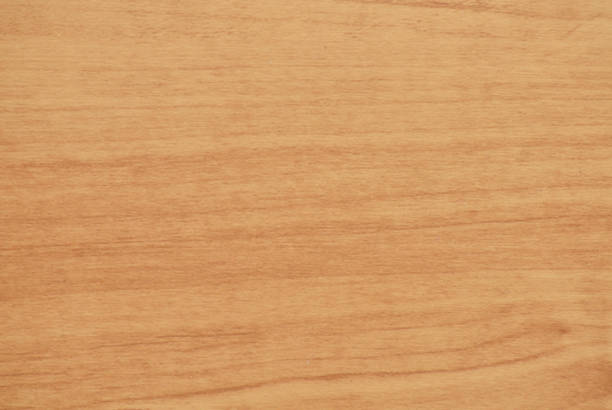
Alder possesses a naturally appealing aesthetic that makes it desirable for visible woodworking projects. When freshly cut, alder wood appears almost white but quickly develops its characteristic light tan to reddish-brown hue upon exposure to air. This warm color tends to deepen with age, developing richer red undertones that enhance its visual appeal over time.
One of alder’s most valuable characteristics is its relatively uniform color and minimal contrast between heartwood and sapwood. This consistency allows for more predictable finishing results and eliminates the need to sort boards for color matching. The wood features a straight grain pattern with fine, even texture that provides a smooth canvas for both natural finishes and staining applications.
Hardness and Durability Profile
Alder sits at the softer end of the hardwood spectrum, with a Janka hardness rating of approximately 590 lbf (pounds-force). This places it above softwoods like pine (420 lbf) and poplar (540 lbf) but below harder woods such as cherry (950 lbf) and oak (1,290 lbf). The following table illustrates alder’s position in relation to other common woodworking species:
| Wood Species | Janka Hardness (lbf) |
|---|---|
| Basswood | 410 |
| White Pine | 420 |
| Poplar | 540 |
| Alder | 590 |
| Douglas Fir | 660 |
| Black Cherry | 950 |
| Soft Maple | 950 |
| Red Oak | 1,290 |
| Hard Maple | 1,450 |
| Hickory | 1,820 |
While not the hardest wood available, alder offers sufficient durability for furniture, cabinetry, and decorative pieces. Its moderate hardness makes it particularly suitable for areas with low to medium traffic or wear. For items that will receive heavy use, alder can be protected with appropriate finishes to enhance its longevity.
“Love working with versatile woods like alder?
Make the most of your projects with detailed blueprints, material lists, and instructions.
🎯 Start your first project today with Ted’s Woodworking“
Density and Weight Considerations
Alder features a medium density, making it lighter and easier to work with than many other hardwoods. This characteristic offers practical advantages during both construction and transportation phases of a project. The wood’s average dried weight maxes out at around 450 kg/m³, placing it in a moderate weight category that balances structural integrity with manageable handling.
Working Properties of Alder
Machining and Processing Capabilities
Alder has earned a reputation among woodworkers as an exceptionally cooperative material. The wood excels in nearly all machining operations:
- Cutting and Sawing: Cuts cleanly with minimal tear-out
- Planing and Jointing: Produces smooth surfaces with minimal effort
- Drilling and Boring: Creates clean holes without splitting
- Turning: Responds well to lathe work with consistent results
- Carving: Soft enough for detailed hand carving while maintaining structural integrity
This exceptional workability makes alder particularly appealing for both hand tool enthusiasts and those using power equipment. The wood’s forgiving nature allows for precise joinery and detailed work without the resistance encountered in denser hardwoods.
Joining and Fastening Performance
Alder accepts fasteners with remarkable ease. The wood can be:
- Nailed without splitting, even near edges
- Screwed without pre-drilling in most applications
- Glued with excellent adhesion using standard wood glues
These characteristics make alder ideal for complex assemblies where multiple joining methods may be employed. The ease of fastening helps reduce construction time and minimizes the risk of material damage during assembly.
Finishing and Staining Qualities
One of alder’s most celebrated attributes is its exceptional finishing versatility. The wood:
- Sands to a glass-like smoothness with minimal effort
- Accepts stains evenly (with proper conditioning)
- Takes paint exceptionally well
- Can be finished naturally to showcase its warm tones
Alder is particularly valued for its ability to mimic more expensive woods when properly stained. With appropriate finishing techniques, alder can convincingly resemble cherry, walnut, or mahogany at a fraction of the cost. This chameleon-like quality makes it a favorite for budget-conscious projects that don’t compromise on appearance.
Sustainability and Environmental Aspects
Growth and Harvesting Patterns
Alder represents an environmentally responsible choice for wood projects. Native to the Pacific Northwest region of North America, alder grows abundantly from Southern British Columbia to Northern California. Unlike some slow-growing hardwoods that can take decades to mature, alder reaches harvestable size in approximately 25-30 years, making it a relatively quick-renewable resource.
The species demonstrates remarkable sustainability credentials:
- Rapid growth rate compared to many hardwoods
- Naturally regenerates after harvesting
- Often grown in managed timber stands with increasing forest area
- Available with FSC (Forest Stewardship Council) and PEFC (Program for the Endorsement of Forest Certification) certifications
“Don’t waste alder wood on trial and error.
Ted’s Woodworking gives you the plans, guidance, and confidence to build like a pro.
🔥 Limited-time access here → Claim Your Plans Now“
Environmental Benefits of Alder Trees
Beyond providing useful timber, alder trees contribute significant ecological benefits to their environments. As nitrogen-fixing trees, alders capture atmospheric nitrogen and convert it to a form usable by plants, effectively enriching the soil naturally. This quality makes them valuable components of forest ecosystems and contributors to overall environmental health.
Additionally, alder trees:
- Stabilize soil and prevent erosion, particularly in riparian areas
- Provide habitat for wildlife
- Contribute to carbon sequestration efforts
- Can be harvested with minimized environmental impact
Carbon Footprint and Sustainability
When compared to alternative materials or imported exotic woods, alder presents a compelling environmental case. The wood is typically harvested relatively close to where it’s processed in North America, reducing transportation impacts. Its natural abundance and managed growth ensure continued availability without threatening forest resources.
For environmentally conscious consumers, alder offers the aesthetic and functional benefits of hardwood while aligning with sustainability goals.
Common Applications for Alder Wood
Furniture Manufacturing
Alder has established itself as a premier choice for furniture makers seeking a balance of beauty, workability, and value. Its medium density provides adequate strength for most furniture applications while remaining light enough for manageable pieces. Common furniture applications include:
- Cabinets and case goods
- Dining tables and chairs
- Bedroom furniture
- Entertainment centers
- Occasional tables
The wood’s ability to accept a variety of finishes makes it adaptable to virtually any furniture style, from rustic to contemporary. When properly constructed, alder furniture offers generations of use with appropriate care.
Interior Architectural Elements
Beyond furniture, alder excels in architectural applications throughout the home:
- Kitchen cabinetry
- Decorative millwork and moldings
- Interior doors
- Wall paneling
- Stair components
The consistency of alder’s color and grain makes it particularly suitable for projects requiring multiple matching pieces throughout a space. Its moderate weight also makes it practical for larger installed elements that must be manageable during the installation process.
Specialty Uses and Niche Applications
Alder’s particular combination of properties has led to its adoption in several specialized applications:
- Musical Instruments: Particularly electric guitars, where its resonant qualities and light weight make it a favorite for guitar bodies
- Carving and Turning: The wood’s even texture and moderate hardness make it ideal for both hand and machine carved items
- Kitchen Utensils: Food-safe and easily shaped for spoons, cutting boards, and other kitchen tools
- Decorative Veneers: Sliced thin for application to other substrates in fine furniture
Selecting Alder for Your Project
Grading Standards and Quality Assessment
When purchasing alder, understanding wood grading standards helps ensure you select material appropriate for your project. Alder is graded using Pacific Coast Red Alder Rules rather than standard NHLA criteria. The key distinctions include:
- Grading from the better face rather than the poor side
- Pin knots considered character features rather than defects
- Different clear cutting requirements
Common alder grades include:
- Superior Alder: Highest grade with minimal natural characteristics
- Cabinet Alder: Good appearance grade with some character marks
- Rustic/Knotty Alder: Features knots and natural characteristics as design elements
- Paint Grade: Suitable for opaque finishes where grain won’t be visible
For projects where appearance is paramount, select higher grades, while rustic grades offer character and often cost savings for appropriate applications.
🔧 Build Smarter, Not Harder
Working with alder or any wood? Don’t guess your measurements or material needs.
Use our free Woodworker Calculators to save time, cut waste, and get precise results every time.
👉 Try the Calculators Now
Cost Considerations and Value Analysis
Alder typically occupies a middle price point in the hardwood market. It generally costs more than pine or poplar but significantly less than cherry, walnut, or exotic imports. This positioning makes it an excellent value proposition for many projects, offering hardwood quality without premium pricing.
The wood’s versatility in finishing further enhances its value, as it can achieve the appearance of more expensive species when properly stained and finished. For budget-conscious projects, alder offers an optimal balance of quality and cost.
Sourcing Responsibly Harvested Alder
For environmentally conscious woodworkers, sourcing responsibly harvested alder is increasingly important. Look for:
- FSC certification indicating responsible forest management
- PEFC certification for sustainable forestry practices
- Local or regional sourcing to minimize transportation impacts
- Suppliers who can provide information about harvesting practices
These considerations ensure your project not only benefits from alder’s excellent properties but also supports sustainable forestry practices.
Working with Alder: Best Practices
Design Considerations for Alder Projects
When designing projects using alder, consider both its strengths and limitations:
Leverage These Strengths:
- Excellent machining properties for complex designs
- Superior finishing capabilities for aesthetic emphasis
- Uniform color for projects requiring matched components
Account for These Limitations:
- Moderate hardness requiring care in high-wear applications
- Susceptibility to denting in exposed areas
- Potential for blotching when staining without proper preparation
Successful alder projects capitalize on the wood’s exceptional workability while providing appropriate protection against its somewhat softer nature.
Processing and Construction Techniques
To maximize alder’s potential in your projects:
- Use Sharp Tools: Despite its softness, alder works best with sharp cutting edges to prevent crushing the wood fibers
- Support the Work: Provide adequate support when machining to prevent splitting or sagging
- Consider Grain Direction: Though less problematic than some woods, attention to grain direction still improves results
- Adjust Joinery Accordingly: Design joinery appropriate for alder’s density, avoiding overly aggressive fastening methods
Finishing Methods for Optimal Results
Finishing represents one of the most critical aspects of working with alder. To achieve professional results:
- Sand Progressively: Move through grits methodically (typically 120, 150, 180, 220) for an ultra-smooth surface
- Apply Conditioner: Use pre-stain conditioner to prevent blotching when staining
- Test Finishes: Always test finishes on scrap pieces cut from your project material
- Build Protection: Apply appropriate protective topcoats for the intended use
- Consider Glazes: Glazing techniques can enhance figure and add depth to alder’s appearance
Maintenance and Care for Alder Wood Products
Daily Care Requirements
Alder furniture and fixtures require appropriate care to maintain their beauty and extend their lifespan:
- Dust regularly with a soft, dry cloth
- Clean with a slightly dampened microfiber cloth when needed
- Avoid soaking wet cleaning methods
- Use furniture-appropriate cleaners, avoiding harsh chemicals
- Protect from direct sunlight to prevent uneven color changes
Long-term Preservation Strategies
For the extended life of alder wood products:
- Maintain consistent indoor humidity levels (30-50%)
- Apply furniture wax or polish appropriate for the finish type
- Immediately address any water spills or damage
- Periodically inspect and tighten any loose joints
- Refinish when necessary to restore protection
Repair and Restoration Methods
When damage occurs to alder pieces:
- Minor dents can often be raised using steam and moisture
- Scratches in the finish may be repairable with touch-up markers or fill sticks
- Deeper damage may require sanding and refinishing affected areas
- Structural repairs should address both the damage and its underlying cause
“Ready to turn alder wood into handcrafted masterpieces?
Ted’s Woodworking gives you access to thousands of easy-to-follow plans—perfect for beginners and pros alike.
🪚 Discover the Ultimate Woodworking Plan Collection“
Comparison with Alternative Wood Species
Alder vs. Other Common Hardwoods
Understanding how alder compares to alternatives helps inform wood selection decisions:
| Characteristic | Alder | Cherry | Maple | Oak |
|---|---|---|---|---|
| Hardness (Janka) | 590 | 950 | 1,450 | 1,290 |
| Price Point | Moderate | High | High | Moderate-High |
| Workability | Excellent | Good | Moderate | Moderate |
| Finishing Ease | Excellent | Good | Good | Moderate |
| Color Stability | Moderate | Poor (darkens) | Good | Good |
| Weight | Light-Medium | Medium | Heavy | Heavy |
When to Choose Alder Over Alternatives
Alder becomes the optimal choice when:
- Budget Constraints: You need hardwood quality at a more accessible price point
- Complex Machining: Your design requires extensive machining or intricate details
- Stained Appearance: You want to achieve specific color effects through staining
- Weight Sensitivity: The project benefits from lighter-weight materials
- Sustainable Preference: Environmental considerations factor into your decision
When Other Woods May Be Preferable
Alternative species might be better choices when:
- High Wear Areas: Extremely high-traffic or heavy-use applications
- Natural Cherry Look: If specifically wanting cherry’s natural color without staining
- Outdoor Applications: Exterior projects requiring weather resistance
- Structural Demands: Applications with exceptional strength requirements
- Design Aesthetic: Projects specifically showcasing the unique character of other species
Case Studies: Successful Alder Wood Projects
Residential Kitchen Renovation
A Pacific Northwest homeowner selected alder for their complete kitchen renovation with stunning results. The cabinet-grade alder provided:
- Warm, inviting aesthetic when finished with a clear amber toner
- Cost savings of approximately 30% compared to cherry alternatives
- Excellent durability for daily kitchen use when properly sealed
- Perfect complement to the home’s transitional design style
Five years after installation, the cabinetry maintains its beauty with only routine cleaning and occasional polishing.
Custom Furniture Collection
A furniture maker specializing in mid-century modern designs created an entire bedroom collection using alder. The suite included:
- Platform bed with integrated nightstands
- Six-drawer dresser
- Armoire with custom details
- Matching bench
The alder was stained to mimic walnut at substantial cost savings while providing the clean lines and precise joinery the style demands. The excellent machining properties of alder allowed for the precise detailing characteristic of this furniture style.
Architectural Millwork Installation
A historic building renovation utilized alder for extensive architectural millwork throughout a commercial space. The project included:
- Wainscoting throughout main corridors
- Custom reception desk and built-ins
- Decorative ceiling treatments
- Door and window casings
The alder’s consistent color and grain pattern created a cohesive appearance throughout the large space, while its workability simplified installation of complex molding profiles. The finished project balanced historical aesthetics with modern functionality.
“Tired of vague DIY instructions and wasted materials?
Whether you’re crafting with alder or any other wood, Ted’s step-by-step plans eliminate the guesswork.
📘 Build Confidently with Ted’s Woodworking Plans“
Is Alder Right for Your Project?
Alder stands as a remarkably versatile wood species that deserves serious consideration for a wide range of woodworking applications. Its combination of reasonable hardness, exceptional workability, aesthetic appeal, and moderate cost creates a compelling value proposition for many projects.
For furniture makers, cabinetmakers, and DIY enthusiasts alike, alder offers a forgiving medium that responds predictably to tools and finishes while providing beautiful results. Its sustainability credentials further enhance its appeal in an increasingly environmentally conscious marketplace.
While not the perfect choice for every application—particularly those demanding extreme hardness or weather resistance—alder excels in most interior applications where its unique combination of properties can shine.
Whether you’re crafting fine furniture, installing cabinetry, or creating decorative elements, alder provides a balanced option that often represents the sweet spot between performance, aesthetics, and value.
📏 Perfect Cuts Start with the Right Numbers
Before you make your first cut on alder, make sure your measurements are spot-on.
Our free Woodworker Calculators help you plan with precision—no math headaches required.
🔗 Use the Calculators Here
Disclaimer
The information provided in this article is based on research and industry knowledge available at the time of writing. Wood properties may vary by source, treatment, and specific growing conditions. Always consult with a professional woodworker or supplier when selecting materials for structural applications or projects with specific requirements.
Affiliate Disclosure
Some links provided in this article may be affiliate links. If you choose to purchase products through these links, we may receive a small commission at no additional cost to you. These commissions help support our content creation efforts.