Ash wood stands as one of the most versatile and sought-after hardwoods in North America and Europe, renowned for its exceptional strength-to-weight ratio and distinctive grain patterns. This remarkable timber, primarily represented by white ash (Fraxinus americana) and European ash (Fraxinus excelsior), has earned its reputation through centuries of use in applications demanding both durability and flexibility. From the baseball bats that define America’s pastime to the elegant furniture gracing modern homes, ash represents the perfect marriage of functional performance and natural beauty.
Unlock 16,000+ Woodworking Plans Ready to start your next ash project? Get instant access to Ted’s Woodworking plans now and never run out of inspiration!
The Natural Properties of Ash Wood
Appearance and Color Characteristics
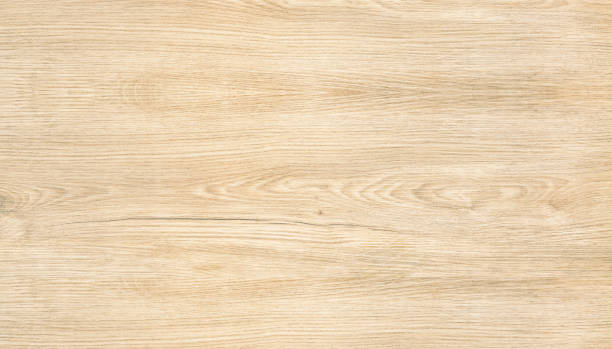
Ash possesses a clean, attractive appearance that makes it highly valued for both structural and decorative applications. The wood displays a creamy white to light brown heartwood with a pale yellow or white sapwood that often blends seamlessly with the heartwood. This light coloration provides an excellent canvas for both natural and stained finishes, allowing woodworkers to achieve a wide range of aesthetic effects.
The grain pattern in ash is typically straight with occasional irregular streaks, creating visual interest without overwhelming the wood’s clean appearance. The growth rings are distinct and create attractive figure, particularly in plain-sawn boards where the annual growth creates subtle cathedral patterns. Quarter-sawn ash reveals straight, consistent grain with occasional ray fleck that adds character without dominating the overall appearance.
One of ash’s most appealing characteristics is its ability to take on various appearances depending on finishing techniques. The wood can be left natural for a clean, contemporary look, or stained to mimic more expensive species like walnut or cherry while maintaining ash’s superior strength characteristics.
Hardness and Durability Profile
Ash ranks among the harder domestic species, with white ash registering approximately 1,320 pounds-force (lbf) on the Janka hardness scale. This places it firmly in the upper tier of commonly available hardwoods, offering excellent resistance to denting and wear while remaining workable with standard woodworking tools.
Hardness Comparison Table:
| Wood Species | Janka Hardness (lbf) |
|---|---|
| Basswood | 410 |
| White Pine | 420 |
| Poplar | 540 |
| Alder | 590 |
| Black Cherry | 950 |
| Red Oak | 1,290 |
| White Ash | 1,320 |
| White Oak | 1,360 |
| Hard Maple | 1,450 |
| Hickory | 1,820 |
Ash’s hardness contributes to its exceptional wear resistance, making it ideal for applications that must withstand repeated impact or stress. The wood’s cellular structure provides excellent shock absorption, which explains its traditional use in tool handles and sporting goods where impact resistance is crucial.
Density and Weight Considerations
Ash features moderate density, contributing to its excellent strength-to-weight ratio that makes it particularly valuable for applications where weight matters. The wood’s average dried weight ranges from 650-700 kg/m³, making it lighter than oak while maintaining comparable strength characteristics. This combination of properties has made ash the material of choice for applications requiring both strength and maneuverability.
The wood’s density varies somewhat between species, with white ash generally being denser and stronger than green ash or black ash. This variation allows woodworkers to select the most appropriate ash species for their specific requirements.
Turn Ash Into Masterpieces Whether you’re a beginner or a pro, Ted’s Woodworking offers detailed plans that make working with ash simple and rewarding.
Working Properties of Ash
Machining and Processing Capabilities
Ash presents favorable working characteristics for most woodworking operations, though its hardness requires proper technique and sharp tools:
Cutting and Sawing: Cuts cleanly with sharp carbide-tipped blades, producing smooth surfaces with minimal tear-out
Planing and Jointing: Machines well with sharp knives, though irregular grain areas may require careful attention to prevent tear-out
Drilling and Boring: Creates clean holes when using appropriate speeds and sharp bits
Turning: Excellent on the lathe, holding detail well and finishing to a smooth surface
Carving: Moderate difficulty for hand carving due to hardness, but holds fine detail exceptionally well
Sanding: Responds well to progressive sanding, achieving smooth surfaces relatively easily
The key to successful ash machining lies in maintaining sharp cutting edges and using appropriate feed rates. The wood’s moderate hardness means it won’t dull tools as quickly as extremely hard species, while its relatively straight grain reduces the likelihood of tear-out compared to woods with more complex grain patterns.
Joining and Fastening Performance
Ash provides excellent performance in joinery applications:
Mechanical Fasteners: Holds nails and screws exceptionally well, though pre-drilling prevents splitting
Glue Joints: Forms strong, reliable bonds with modern wood adhesives when properly prepared
Traditional Joinery: Excellent for mortise and tenon, dovetail, and other traditional joints
Steam Bending: Outstanding flexibility when steamed, making it ideal for curved components
The wood’s straight grain and uniform density contribute to predictable joinery behavior, while its strength ensures that properly executed joints will withstand substantial stress over time. Ash’s steam-bending capabilities are particularly notable, allowing for the creation of curved components that maintain their shape permanently after cooling and drying.
Finishing and Staining Qualities
Ash accepts finishes readily, though its open grain structure requires consideration during the finishing process:
Natural Finishes: Develops a warm, honey-like tone with clear finishes that enhance grain definition
Staining: Accepts both penetrating and gel stains well, allowing for color matching with other species
Grain Filling: May require filling for glass-smooth surfaces, though many prefer the natural texture
Film Finishes: Takes lacquer, shellac, and polyurethane well with proper preparation
Oil Finishes: Responds beautifully to oil finishes that penetrate deeply and enhance natural character
The wood’s light color makes it particularly suitable for lighter stain colors, though it can be darkened significantly when desired. Ash’s ability to take stain evenly makes it an excellent choice for projects requiring color consistency across multiple pieces.
Sustainability and Environmental Aspects
Growth and Harvesting Patterns
Ash represents a relatively sustainable hardwood choice when sourced from responsibly managed forests. Ash trees grow more quickly than many premium hardwoods, typically reaching maturity for timber harvesting in 60-80 years. This faster growth cycle compared to species like oak or walnut makes ash more readily renewable while still providing excellent wood properties.
The species demonstrates several positive sustainability characteristics:
- Naturally occurring across broad geographic ranges in temperate climates
- Responds well to selective harvesting practices that maintain forest ecosystem health
- Available from certified sustainable forestry operations
- Supports wildlife through seed production and habitat provision
Environmental Challenges and Opportunities
The ash genus faces significant challenges from invasive pests, particularly the emerald ash borer (EAB) in North America, which has dramatically impacted ash populations since the early 2000s. This situation has created both environmental concerns and harvesting opportunities:
Environmental Concerns:
- Large-scale tree mortality affecting forest ecosystems
- Loss of genetic diversity within ash populations
- Impacts on wildlife species dependent on ash trees
Harvesting Opportunities:
- Salvage operations recovering value from affected trees
- Increased availability of ash lumber in some regions
- Economic incentives for proactive forest management
Conservation Efforts:
- Breeding programs developing EAB-resistant ash varieties
- Biological control programs using EAB’s natural enemies
- Seed banking to preserve genetic diversity
Carbon Footprint and Sustainability
Ash lumber generally maintains a favorable environmental profile when sourced locally. The wood’s moderate growth rate allows for reasonable carbon sequestration during tree development, while its durability in finished products extends the effective carbon storage period. Ash’s excellent strength properties often allow for more efficient use of material, reducing waste and maximizing the value obtained from each harvested tree.
The current EAB situation has created a temporary abundance of ash lumber as affected trees are harvested before complete mortality, though this supply may become more limited as forest populations recover through replanting and pest management efforts.
Free Woodworking Calculators for Perfect Cuts Before you measure once and cut twice, visit for instant access to handy calculators to help you plan smarter.
Common Applications for Ash Wood
Sporting Goods and Tool Handles
Ash has established itself as the premier choice for applications requiring strength, flexibility, and shock resistance:
Baseball Bats: The traditional material for professional and amateur baseball bats due to its ability to withstand repeated impacts
Tool Handles: Exceptional performance in axes, hammers, and other impact tools where shock absorption is crucial
Hockey Sticks: Provides the flexibility and strength needed for competitive play
Oars and Paddles: Lightweight strength makes it ideal for watercraft propulsion
Walking Sticks and Canes: Combines strength with attractive appearance for functional accessories
The wood’s straight grain and excellent strength-to-weight ratio make it irreplaceable in many sporting applications where performance and safety are paramount.
Furniture Manufacturing
Ash’s combination of strength, workability, and attractive appearance makes it valuable for furniture applications:
Chair Construction: Excellent for frames requiring strength and the ability to be shaped through steam bending
Table Bases and Legs: Provides structural integrity for dining and work surfaces
Case Goods: Suitable for dressers, cabinets, and storage furniture requiring durability
Modern and Traditional Styles: Adapts well to both contemporary and classic furniture designs
Upholstered Furniture Frames: Ideal internal structure for sofas and chairs due to its strength and workability
Architectural and Construction Applications
Ash performs well in architectural settings where both strength and appearance matter:
Flooring: Excellent wear resistance for high-traffic areas with attractive grain patterns
Millwork and Trim: Machines well for detailed profiles while providing durability
Stair Components: Ideal for treads, risers, and railings where strength and safety are essential
Paneling and Wainscoting: Creates attractive wall treatments with good dimensional stability
Custom Cabinetry: Combines workability with strength for built-in storage solutions
Build Smarter With Expert Plans : Ash is strong, but so is the guidance in Ted’s massive plan library. Get started today and create your best project yet.
Selecting Ash for Your Project
Grading Standards and Quality Assessment
Ash lumber is graded according to National Hardwood Lumber Association (NHLA) standards:
FAS (First and Second): Highest grade with minimum 83% clear material, ideal for visible surfaces
Select: High-quality boards with one clear face, suitable for most furniture applications
No. 1 Common: Good quality with 66% clear material, appropriate for painted or stained projects
No. 2 Common: More character marks, suitable for rustic applications or secondary components
No. 3 Common: Significant character, appropriate for utility applications or rustic designs
Beyond standard grades, ash is available in specialty cuts:
Plain-sawn: Most economical cut showing traditional grain patterns
Quarter-sawn: Provides straight grain with enhanced stability
Rift-sawn: Offers consistent, straight grain appearance
Species Selection Considerations
Different ash species offer varying characteristics:
White Ash (Fraxinus americana): Strongest and most desirable, preferred for tool handles and sporting goods
Green Ash (Fraxinus pennsylvanica): Slightly softer but still strong, good for general woodworking
Black Ash (Fraxinus nigra): Softer and more flexible, traditional choice for basket making
European Ash (Fraxinus excelsior): Similar to white ash with slightly different grain characteristics
Cost Considerations and Value Analysis
Ash typically falls in the moderate price range for domestic hardwoods, generally less expensive than cherry, walnut, or hard maple while offering comparable or superior strength. The wood’s excellent working properties and versatility often justify its cost through reduced waste and efficient processing.
Current market conditions related to emerald ash borer impacts have created regional price variations, with some areas experiencing temporary abundance while others face reduced availability. Long-term pricing will likely stabilize as forest management practices adapt to pest pressures.
Working with Ash: Best Practices
Design Considerations for Ash Projects
When designing with ash, leverage its strengths while accommodating its characteristics:
Leverage These Strengths:
- Exceptional strength-to-weight ratio for efficient structural design
- Excellent shock resistance for impact-prone applications
- Steam-bending capabilities for curved components
- Light color that accepts stains and finishes well
- Straight grain that machines predictably
Account for These Characteristics:
- Moderate movement with humidity changes
- Open grain that may require filling for smooth finishes
- Hardness that requires sharp tools and proper technique
- Potential for tear-out in areas of irregular grain
Processing and Construction Techniques
Optimize ash’s performance through proper processing:
Tool Preparation: Maintain exceptionally sharp cutting edges to prevent tear-out and reduce effort
Moisture Content: Stabilize lumber to 6-8% moisture content before final machining
Grain Orientation: Consider grain direction for strength and appearance in structural applications
Steam Bending: Take advantage of ash’s excellent bending properties for curved components
Joint Design: Design joints to accommodate ash’s strength while allowing for seasonal movement
Fastener Selection: Use appropriate fasteners and pre-drill to prevent splitting
Finishing Methods for Optimal Results
Achieve the best results with ash through proper finishing:
Surface Preparation: Sand progressively through 180-220 grit for most applications
Grain Management: Decide whether to fill open grain or emphasize natural texture
Stain Application: Use pre-stain conditioner for even color when using penetrating stains
Clear Finishes: Apply adequate build coats to protect against moisture and wear
Traditional Techniques: Consider oil finishes that penetrate deeply and enhance grain character
Maintenance Planning: Choose finishes that can be refreshed easily over time
Your Ash Project Deserves the Best Plans: Don’t waste wood or time. Ted’s Woodworking gives you step-by-step blueprints for perfect results every time.
Maintenance and Care for Ash Wood Products
Daily Care Requirements
Ash products benefit from appropriate routine maintenance:
Regular Cleaning: Dust frequently with soft cloths to maintain surface quality
Spill Management: Address liquid spills immediately to prevent staining or finish damage
Protection Strategies: Use coasters, pads, and protective covers for high-use surfaces
Environmental Control: Maintain consistent humidity levels to minimize seasonal movement
Damage Prevention: Avoid impacts that could dent or chip the wood surface
Long-term Preservation Strategies
Ensure extended life for ash products:
Finish Maintenance: Refresh protective coatings before wear becomes visible
Hardware Inspection: Check and tighten mechanical fasteners as seasonal movement occurs
UV Protection: Minimize direct sunlight exposure to prevent uneven color changes
Professional Assessment: Have valuable pieces inspected periodically for maintenance needs
Repair and Restoration Methods
Address damage to maintain ash products:
Minor Scratches: Often repairable with touch-up products or careful sanding and refinishing
Dent Removal: Small dents may respond to steam treatment in unfinished areas
Joint Repairs: Loose joints can typically be disassembled and reglued for continued service
Professional Restoration: Complex repairs often justify professional intervention due to ash’s value
Replacement Strategies: Plan for component replacement in high-wear applications
Comparison with Alternative Wood Species
Ash vs. Other Common Hardwoods
Understanding comparative characteristics guides material selection:
| Characteristic | Ash | Oak | Maple | Cherry | Hickory |
|---|---|---|---|---|---|
| Hardness (Janka) | 1,320 | 1,290-1,360 | 1,450 | 950 | 1,820 |
| Weight | Medium | Heavy | Heavy | Medium | Heavy |
| Price Point | Moderate | Moderate-High | Moderate-High | High | Moderate |
| Workability | Good | Moderate | Good | Excellent | Moderate |
| Strength | Excellent | Excellent | Very Good | Good | Excellent |
| Bending | Excellent | Poor | Moderate | Good | Excellent |
| Finishing | Good | Moderate | Good | Excellent | Good |
When to Choose Ash Over Alternatives
Ash becomes the optimal choice when:
Strength-to-Weight Ratio: Projects requiring maximum strength with minimal weight
Impact Resistance: Applications involving repeated stress or shock loads
Steam Bending: Projects requiring curved components formed through bending
Stain Matching: Need to match expensive species appearance at lower cost
Sporting Applications: Traditional choice for athletic equipment and tools
Versatility: Projects requiring one species for multiple applications with varying requirements
When Other Woods May Be Preferable
Alternative species might be better choices when:
Extreme Hardness: Applications requiring maximum dent resistance (consider hard maple)
Rot Resistance: Outdoor applications without finish protection (consider white oak)
Premium Appearance: High-end furniture requiring exceptional natural beauty (consider walnut or cherry)
Stability: Applications requiring minimal seasonal movement (consider quarter-sawn oak)
Economy: Cost-sensitive projects where strength is less critical (consider poplar or pine)
Case Studies: Successful Ash Wood Projects
Restaurant Renovation Project
A farm-to-table restaurant renovation utilized ash throughout to create a warm, contemporary atmosphere:
Custom Tables: Ash tops provided durability for commercial dining use while maintaining attractive appearance
Bar Construction: Steam-bent ash components created flowing curves for the central bar
Chair Frames: Ash construction provided strength for intensive daily use
Architectural Details: Custom millwork in ash created visual continuity throughout the space
Five years after installation, the ash elements show minimal wear despite intensive commercial use. The wood’s light color has developed a subtle patina that enhances the restaurant’s rustic-modern aesthetic. Staff report that the ash surfaces are easy to maintain and have held up exceptionally well to the demands of commercial food service.
Residential Workshop Construction
A furniture maker designed and built a custom workshop featuring ash throughout:
Workbench Tops: Laminated ash provided a durable, attractive work surface capable of handling both hand and power tool operations
Tool Storage: Custom cabinets and drawers utilized ash’s strength for heavy tool storage
Flooring: Ash strip flooring provided comfort underfoot while resisting damage from dropped tools
Structural Elements: Exposed beams and bracing showcased ash’s strength and grain character
The workshop has served intensive daily use for over a decade, with the ash components developing character while maintaining structural integrity. The owner notes that the wood’s ability to handle both precision work and heavy-duty applications makes it ideal for workshop environments.
Custom Staircase Installation
A residential remodel featured a dramatic ash staircase as the home’s focal point:
Treads and Risers: Rift-sawn ash provided consistent grain and exceptional wear resistance
Railings and Balusters: Steam-bent components created flowing curves that enhanced the home’s contemporary design
Structural Framework: Hidden ash framework provided necessary strength while maintaining clean sight lines
Integrated Storage: Under-stair storage utilized ash’s workability for custom-fitted solutions
After fifteen years of family use, the staircase shows minimal wear and has become increasingly attractive as the wood has developed natural patina. The homeowners report that the ash has proven both beautiful and practical for their active household.
Is Ash Right for Your Project?
Ash continues to earn its reputation as one of the most versatile and reliable hardwoods available to woodworkers. Its exceptional strength-to-weight ratio, combined with good workability and attractive appearance, makes it suitable for an enormous range of applications. While requiring proper technique and sharp tools, ash rewards craftspeople with reliable results and excellent long-term performance.
For projects requiring strength, impact resistance, or the ability to be shaped through steam bending, ash often proves irreplaceable. Its moderate cost relative to its performance characteristics makes it an excellent value for both professional and hobbyist woodworkers. The wood’s light color and ability to accept stains provide flexibility in achieving desired aesthetic effects while maintaining superior functional properties.
Whether crafting furniture built to withstand generations of use, creating sporting goods that demand peak performance, or installing architectural elements that must combine beauty with structural integrity, ash provides proven reliability with distinctive character. As forest management practices adapt to current challenges, this remarkable species will undoubtedly continue serving woodworkers seeking the optimal combination of strength, workability, and natural beauty.
Precision Starts With Planning Ash projects require accuracy—use our woodworking calculators to save time and reduce waste.
Disclaimer: The information provided in this article is based on research and industry knowledge available at the time of writing. Wood properties may vary by source, treatment, and specific growing conditions. Regional availability may be affected by emerald ash borer impacts and local forest management practices. Always consult with professional woodworkers or suppliers when selecting materials for structural applications or projects with specific requirements.
Affiliate Disclosure
Some links provided in this article may be affiliate links. If you choose to purchase products through these links, we may receive a small commission at no additional cost to you. These commissions help support our content creation efforts.