Beech wood stands as one of Europe’s most versatile and reliable hardwoods, renowned for its exceptional workability, uniform grain structure, and remarkable strength-to-weight ratio. This distinguished timber, primarily harvested from European beech (Fagus sylvatica) and American beech (Fagus grandifolia), combines impressive hardness with outstanding machinability that has made it the preferred choice for furniture makers, tool manufacturers, and craftspeople for centuries. From the elegant curves of bentwood chairs to the precision components of woodworking planes, beech embodies the perfect balance of strength, beauty, and cooperative working characteristics.
Unlock 16,000+ Woodworking Plans – Ready to master beech for your next project? Get instant access to Ted’s Woodworking plans now and discover the secrets to working with this exceptional hardwood!
The Natural Properties of Beech Wood
Appearance and Color Characteristics
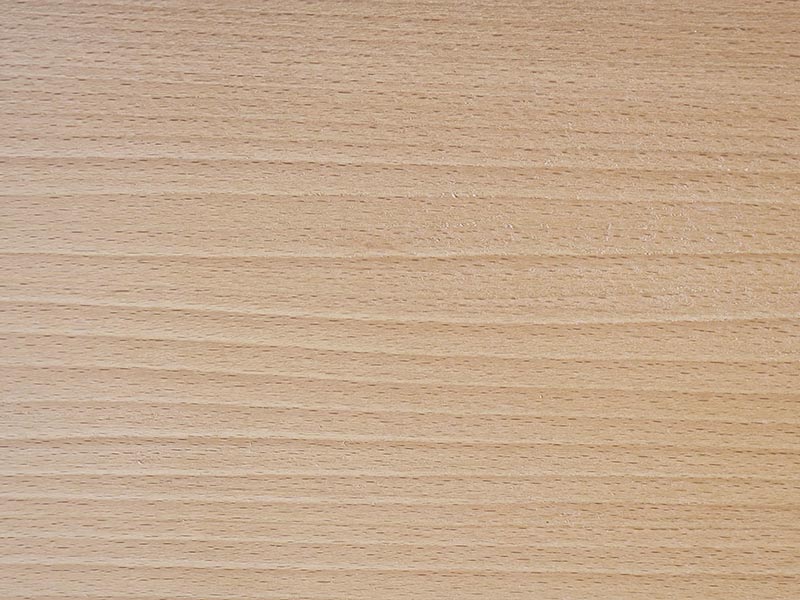
Beech displays one of the most consistent and pleasing color palettes among European hardwoods, featuring a warm, honey-toned appearance that radiates natural elegance. Unlike species with dramatic color variation, beech offers remarkable uniformity that provides woodworkers with predictable and harmonious results across entire projects.
The sapwood and heartwood show minimal color distinction, typically appearing as pale cream to light reddish-brown with subtle pink undertones. This consistency eliminates concerns about color matching and allows for seamless appearance across large surfaces or multiple components. The natural color deepens slightly with age and light exposure, developing a rich golden-brown patina that enhances the wood’s warm character.
The grain pattern in beech is characteristically straight and fine, with prominent ray fleck that creates distinctive figure when quarter-sawn. These medullary rays appear as small dark lines or specks scattered throughout the wood surface, creating subtle texture that adds visual interest without overwhelming the overall appearance. Plain-sawn boards display gentle cathedral patterns, while quarter-sawn material reveals the characteristic ray fleck that beech is famous for.
One of beech’s most appealing characteristics is its ability to take on different personalities through processing and finishing. The wood can appear rustic and casual in rough-hewn applications or sophisticated and refined when carefully machined and finished, making it suitable for diverse design aesthetics.
Hardness and Durability Profile
Beech registers a solid 1,300 pounds-force (lbf) on the Janka hardness scale, placing it among the harder domestic species while remaining significantly more workable than extremely hard woods like hickory. This moderate-to-high hardness provides excellent wear resistance and durability for most applications.
Hardness Comparison Table:
| Wood Species | Janka Hardness (lbf) |
|---|---|
| Basswood | 410 |
| White Pine | 420 |
| Poplar | 540 |
| Alder | 590 |
| Black Cherry | 950 |
| Red Oak | 1,290 |
| Beech | 1,300 |
| White Ash | 1,320 |
| White Oak | 1,360 |
| Hard Maple | 1,450 |
| Hickory | 1,820 |
The wood’s hardness contributes to excellent impact resistance and dimensional stability, while remaining cooperative enough for detailed work. Beech’s cellular structure features moderately thick cell walls and consistent grain patterns that distribute forces effectively, explaining its popularity in applications requiring both strength and workability.
This balanced hardness makes beech ideal for applications requiring durability without the extreme tool wear associated with the hardest species. The wood provides substantial wear resistance while allowing efficient machining with standard woodworking tools.
Density and Weight Considerations
Beech exhibits moderate to high density, with dried weight averaging 720-760 kg/m³, making it substantially heavier than softwoods but not as dense as the heaviest hardwoods. This weight reflects good strength characteristics while remaining manageable for most applications.
The species shows excellent consistency in density throughout the tree, with minimal variation between different sections of the same board. This uniformity contributes to predictable working characteristics and consistent performance across projects.
Beech’s density contributes to outstanding screw-holding power and joint strength, making it excellent for furniture construction and applications requiring reliable mechanical connections. The wood’s weight also contributes to the substantial feel valued in quality furniture and tools.
Master Beech’s Versatility – Beech rewards proper technique with exceptional results. Ted’s Woodworking plans show you exactly how to maximize this wood’s incredible potential.
Working Properties of Beech
Machining and Processing Capabilities
Beech is widely regarded as one of the most cooperative hardwoods for machining operations, offering excellent results across all woodworking processes:
Cutting and Sawing: Cuts cleanly with standard carbide tooling, producing smooth surfaces with minimal tear-out
Planing and Jointing: Machines beautifully with sharp knives, leaving glass-smooth surfaces requiring minimal sanding
Drilling and Boring: Creates clean, accurate holes with standard bits, though pre-drilling prevents splitting
Turning: Excellent on the lathe, holding fine detail exceptionally well and finishing to silk-smooth surfaces
Carving: Cooperative for both hand and power carving, allowing intricate detail work
Sanding: Responds well to standard sanding progressions, achieving smooth finishes efficiently
Steam Bending: Outstanding bending properties when steamed, rivaling ash and oak for curved work
The key to beech’s excellent machining lies in its uniform grain structure and moderate hardness. Standard woodworking tools perform well when kept reasonably sharp, and the wood produces consistent results across different operations. Feed rates can be maintained at normal speeds for most operations.
Joining and Fastening Performance
Beech excels in all forms of joinery, making it a favorite among furniture makers:
Mechanical Fasteners: Excellent holding power with screws and nails, though pre-drilling prevents splitting
Glue Joints: Forms exceptionally strong bonds with all common adhesives when properly prepared
Traditional Joinery: Outstanding for dovetails, mortise and tenon, and other precision joints
Steam Bending: Superior flexibility when steamed, excellent for Windsor chair backs and curved components
Laminated Construction: Excellent for bent laminations and glued-up panels
The wood’s fine, consistent grain structure allows for precision joint cutting with excellent results. Beech joints often prove stronger than the surrounding wood, making it ideal for furniture that must withstand regular use and stress.
Finishing and Staining Qualities
Beech’s consistent grain and color make it excellent for finishing:
Natural Finishes: Clear finishes enhance the warm, honey tones and subtle ray fleck figure
Staining: Accepts stains evenly due to consistent grain, allowing for uniform color development
Grain Filling: Moderate pore size requires minimal filling for smooth finishes
Film Finishes: Takes all common finishes beautifully with excellent adhesion and durability
Oil Finishes: Responds well to penetrating oils that enhance the natural warmth
Paint Finishes: Excellent paint base due to fine grain and good surface preparation characteristics
The wood’s uniform characteristics eliminate most finishing challenges, making it forgiving for novice finishers while providing excellent results for experienced craftspeople. The natural color often eliminates the need for staining while accepting colorants uniformly when desired.
Sustainability and Environmental Aspects
Growth and Harvesting Patterns
Beech represents an excellent sustainable hardwood choice when sourced from properly managed forests. European beech demonstrates moderate to fast growth rates, typically reaching commercial maturity in 60-100 years, depending on growing conditions and management practices. This reasonable growth cycle supports sustainable harvesting while producing wood with excellent characteristics.
The species exhibits several positive sustainability traits:
- Naturally regenerates very well in appropriate forest conditions
- Thrives under sustainable forest management practices
- Available from certified sustainable forestry operations throughout Europe and North America
- Responds excellently to selective harvesting and forest thinning
- Demonstrates good resistance to many common forest diseases when properly managed
Environmental Benefits and Challenges
Beech forests provide significant environmental benefits while presenting manageable challenges:
Environmental Benefits:
- Excellent carbon sequestration through dense wood and substantial biomass
- Creates diverse forest ecosystems supporting varied wildlife
- Deep root systems that improve soil structure and prevent erosion
- Produces mast crops (beechnuts) that support wildlife populations
- Long-lived trees providing stable habitat over extended periods
Management Opportunities:
- Responds well to sustainable forestry practices
- Compatible with mixed-species forest management
- Good natural regeneration reduces replanting costs
- Value-added processing creates economic incentives for proper management
Conservation Considerations:
- Some native beech forests face pressure from development
- Climate change effects require adaptive management strategies
- Beech bark disease in some regions requires monitoring and management
Carbon Footprint and Sustainability
Beech’s excellent durability and longevity extend product lifecycles significantly, improving carbon storage effectiveness. The wood’s cooperative working characteristics reduce processing energy requirements compared to harder species, while its strength allows for efficient material usage.
Local sourcing opportunities exist throughout much of Europe and eastern North America, reducing transportation-related emissions. Beech’s processing efficiency and excellent yield rates make it an environmentally responsible choice for quality woodworking projects.
Free Woodworking Calculators for Perfect Results – Plan your beech projects with precision using our professional calculators at DomesticDecorStore.com for flawless execution every time.
Common Applications for Beech Wood
Furniture and Cabinetry Applications
Beech has dominated high-quality furniture construction for centuries due to its excellent working properties and attractive appearance:
Fine Furniture: Traditional choice for dining chairs, tables, and case goods requiring strength and beauty
Bentwood Furniture: The classic choice for steam-bent chairs and curved components
Kitchen Cabinetry: Excellent for face frames, doors, and interior components requiring durability
Children’s Furniture: Safe, durable choice for cribs, high chairs, and play furniture
Office Furniture: Professional appearance and durability for desks, filing cabinets, and seating
Upholstered Furniture Frames: Hidden structural components where strength and workability matter
Tool and Implement Manufacturing
Beech’s combination of hardness and workability makes it ideal for tool applications:
Hand Tool Components: Traditional choice for plane bodies, chisel handles, and measuring tools
Kitchen Implements: Excellent for cutting boards, rolling pins, and cooking utensils
Workbench Construction: Popular for workbench tops and structural components
Musical Instruments: Used for piano actions, drum shells, and other precision components
Sporting Goods: Traditional choice for baseball bats in some regions and gymnasium equipment
Flooring and Architectural Applications
Beech’s hardness and attractive appearance make it valuable for architectural applications:
Hardwood Flooring: Excellent wear resistance with attractive, consistent appearance
Stair Components: Strong and attractive for treads, risers, and handrails
Architectural Millwork: Custom trim and molding where quality and workability are essential
Paneling and Wainscoting: Creates warm, inviting interior treatments
Commercial Applications: Suitable for moderate-traffic commercial flooring and millwork
Specialty and Industrial Uses
Beech finds applications where specific properties are required:
Food Service Equipment: Natural antimicrobial properties and food-safe characteristics
Textile Industry: Traditional use for textile machinery components and shuttles
Precision Components: Excellent for jigs, fixtures, and precision manufacturing aids
Decorative Veneer: Attractive figure for architectural and furniture veneer applications
Craft and Hobby Projects: Cooperative working characteristics ideal for detailed work
Build Professional Results – Beech projects demand precision planning. Ted’s comprehensive guides provide the expertise needed for outstanding results with this versatile hardwood.
Selecting Beech for Your Project
Grading Standards and Quality Assessment
Beech lumber follows standard hardwood grading with some species-specific considerations:
FAS (First and Second): Highest grade with minimum 83% clear material, excellent for fine furniture
Select: High-quality boards suitable for most furniture and millwork applications
No. 1 Common: Good quality allowing some character marks, popular for painted applications
No. 2 Common: Increased character marks, suitable for rustic applications or secondary components
Steamed vs. Unsteamed: European beech often available steamed (reddish color) or unsteamed (natural pale color)
Quarter-Sawn Availability: Premium quarter-sawn material showing prominent ray fleck figure
Defect Considerations: Watch for insect damage, mineral staining, and reaction wood in lower grades
Species Selection Considerations
Different beech species offer varying characteristics:
European Beech (Fagus sylvatica): Preferred for furniture, excellent steam bending, available steamed or unsteamed
American Beech (Fagus grandifolia): Similar properties to European, more readily available in North America
Regional Variations: Growing conditions can affect density and working characteristics
Steaming Effects: Steamed beech shows different color but similar working properties
Quartering Specifications: Quarter-sawn material shows more prominent figure and improved stability
Cost Considerations and Value Analysis
Beech typically offers excellent value, providing premium hardwood characteristics at moderate pricing. The wood’s excellent working properties often reduce labor costs, while its durability ensures long-term value in finished projects.
Cost factors include:
- Generally less expensive than premium species like cherry or walnut
- Steamed European beech may command slight premiums
- Quarter-sawn material costs more but offers enhanced figure and stability
- Transportation costs vary significantly based on sourcing location
- Processing efficiency often offsets any price premiums
Working with Beech: Best Practices
Design Considerations for Beech Projects
Successful beech projects leverage the wood’s strengths while accommodating its characteristics:
Leverage These Strengths:
- Excellent steam bending capabilities for curved work
- Outstanding machining characteristics for detailed work
- Consistent color and grain for uniform appearance
- Strong joint-holding capabilities for structural applications
- Good stability and moderate movement with humidity changes
Account for These Characteristics:
- Moderate seasonal movement requiring appropriate joint design
- Potential for insect damage if not properly dried and stored
- Color changes with light exposure over time
- Moderate weight requiring appropriate structural support
Processing and Construction Techniques
Optimize beech’s performance through proper processing:
Tool Maintenance: Keep tools reasonably sharp; beech is forgiving but performs best with good edges
Moisture Control: Stabilize lumber to appropriate moisture content for the intended environment
Grain Orientation: Consider grain direction for maximum strength in structural applications
Steam Bending Preparation: Follow proper steaming procedures for bent work
Joint Design: Design joints to accommodate moderate seasonal movement
Finishing Preparation: Fine-sand surfaces for best finish results
Finishing Methods for Optimal Results
Achieve excellent results with appropriate finishing techniques:
Surface Preparation: Progress through standard sanding grits; beech machines so well that coarse grits are rarely needed
Color Enhancement: Consider clear finishes to showcase natural color and figure
Stain Application: Test stain application, though beech typically accepts stains evenly
Film Finish Application: Apply appropriate number of coats for intended use
Natural Enhancement: Oil finishes bring out warmth and figure beautifully
Maintenance Considerations: Choose finishes appropriate for expected wear and maintenance requirements
Transform Your Workshop Skills – Don’t miss beech’s incredible potential—Ted’s detailed plans turn challenging projects into achievable successes.
Maintenance and Care for Beech Wood Products
Daily Care Requirements
Beech products benefit from appropriate routine maintenance:
Regular Cleaning: Dust regularly with appropriate cloths to maintain surface appearance
Moisture Protection: Address spills promptly, as beech can be sensitive to moisture exposure
Environmental Control: Maintain stable humidity levels to minimize seasonal movement
Impact Protection: Use appropriate protection for surfaces, though beech offers good impact resistance
Inspection Routine: Check for signs of insect activity, particularly in stored lumber
Long-term Preservation Strategies
Ensure extended life for beech products:
Finish Maintenance: Refresh protective coatings as needed to prevent moisture damage
Structural Inspection: Check joints and mechanical connections periodically
Environmental Monitoring: Ensure proper ventilation and moisture control in storage areas
Professional Assessment: Have valuable pieces inspected when concerns arise
Repair and Restoration Methods
Address damage to maintain beech products:
Surface Damage: Often repairable through careful sanding and refinishing
Joint Repairs: Mechanical joints can typically be disassembled and rebuilt successfully
Moisture Damage: Address moisture issues promptly to prevent further deterioration
Professional Restoration: Complex repairs benefit from professional expertise
Preventive Measures: Implement appropriate protection to prevent future damage
Comparison with Alternative Wood Species
Beech vs. Other Premium Hardwoods
Understanding comparative characteristics guides material selection:
| Characteristic | Beech | Maple | Birch | Ash | Oak | Cherry |
|---|---|---|---|---|---|---|
| Hardness (Janka) | 1,300 | 1,450 | 1,260 | 1,320 | 1,290-1,360 | 950 |
| Weight | Medium-Heavy | Heavy | Medium | Medium | Heavy | Medium |
| Price Point | Moderate | Moderate-High | Moderate | Moderate | Moderate-High | High |
| Workability | Excellent | Good | Excellent | Good | Moderate | Excellent |
| Steam Bending | Outstanding | Poor | Good | Excellent | Good | Fair |
| Color Consistency | Excellent | Good | Good | Good | Moderate | Good |
When to Choose Beech Over Alternatives
Beech becomes the optimal choice when:
Steam Bending: Applications requiring curved components and excellent bending properties
Uniform Appearance: Projects needing consistent color and grain throughout
Excellent Workability: Detailed work requiring cooperative machining characteristics
Moderate Cost: Quality projects with budget considerations
Food Contact: Kitchen applications benefiting from natural properties
Traditional Applications: Furniture styles where beech is historically appropriate
When Other Woods May Be Preferable
Alternative species might be better when:
Maximum Hardness: Applications requiring the highest wear resistance (consider maple or hickory)
Distinctive Figure: Projects showcasing dramatic grain patterns (consider oak or ash)
Premium Appearance: High-end applications where cost is less important (consider cherry or walnut)
Extreme Durability: Outdoor applications or severe service conditions (consider white oak)
Specific Colors: Projects requiring particular color tones (consider species-specific choices)
Case Studies: Successful Beech Wood Projects
Windsor Chair Workshop
A traditional furniture maker specializing in Windsor chairs chose beech for its exceptional steam bending properties:
Chair Backs: Steam-bent beech spindles provided the classic curved profiles essential to Windsor design
Seat Construction: Solid beech seats offered durability and traditional appearance
Leg Turnings: Beech’s turning characteristics allowed for precise, consistent leg profiles
Assembly Methods: Traditional joinery techniques worked perfectly with beech’s cooperative nature
Five years after completion, the chairs continue to perform excellently. The beech components have developed attractive patina while maintaining structural integrity. Customers consistently comment on the chairs’ comfort and quality construction.
Contemporary Kitchen Renovation
A modern kitchen renovation featured beech throughout for its clean appearance and durability:
Cabinet Faces: Beech door frames and panels provided consistent, warm appearance
Countertop Support: Hidden structural components utilized beech’s strength and stability
Custom Storage: Specialized storage solutions took advantage of beech’s workability for custom fitting
Butcher Block Island: A beech butcher block top combined functionality with aesthetic appeal
Three years later, the beech elements show minimal wear despite daily use. The homeowners report that the wood has aged beautifully, developing character while maintaining its clean, contemporary appearance.
Artisan Tool Making
A craftsperson specializing in traditional hand tools chose beech for its working properties:
Plane Bodies: Beech’s stability and workability made it ideal for precision plane construction
Chisel Handles: Custom handles utilized beech’s strength and comfortable feel
Measuring Tools: Rulers and squares took advantage of beech’s dimensional stability
Workshop Accessories: Various shop-made tools and fixtures utilized beech’s cooperative nature
After several years of use, the tools continue to perform flawlessly. The maker notes that beech’s working characteristics made construction easier while providing tools that improve with age and use.
Is Beech Right for Your Project?
Beech represents an excellent choice for woodworkers seeking a hardwood that combines strength, beauty, and exceptional workability. While not as hard as the toughest species, beech offers outstanding durability with machining characteristics that make it a pleasure to work.
For applications requiring steam bending, consistent appearance, or detailed machining work, beech often proves superior to alternatives. The wood’s moderate cost and excellent working properties make it an outstanding value for quality projects where extreme hardness isn’t required.
The key to successful beech work lies in understanding its balanced characteristics and moderate requirements. Standard woodworking tools produce excellent results when kept reasonably sharp, and the wood’s consistent nature eliminates most of the challenges associated with more difficult species.
Whether crafting furniture that celebrates traditional techniques, creating tools that must perform reliably, or installing architectural elements requiring both beauty and durability, beech provides excellent performance with cooperative working characteristics. For woodworkers seeking a hardwood that rewards good technique without punishing minor mistakes, beech offers an ideal combination of strength, beauty, and workability.
Perfect Planning for Professional Results – Beech deserves precision planning. Visit DomesticDecorStore.com for calculators that ensure every cut contributes to your project’s success.
Disclaimer: The information provided in this article is based on research and industry knowledge available at the time of writing. Wood properties may vary by source, treatment, and specific growing conditions. Regional availability and pricing may fluctuate based on market conditions and sustainable harvesting practices. Always consult with professional woodworkers or suppliers when selecting materials for structural applications or projects with specific requirements.
Affiliate Disclosure
Some links provided in this article may be affiliate links. If you choose to purchase products through these links, we may receive a small commission at no additional cost to you. These commissions help support our content creation efforts.