
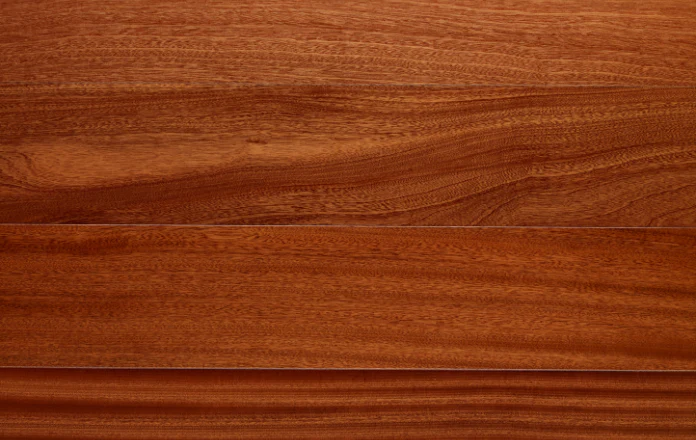
Mahogany stands as one of the world’s most prestigious and coveted hardwoods, revered for its rich reddish-brown color, exceptional stability, and remarkable durability. Available in several varieties including Genuine Mahogany (Swietenia macrophylla), African Mahogany (Khaya spp.), and Philippine Mahogany (Shorea spp.), this legendary timber offers an unparalleled combination of beauty, workability, and performance. Harvested from tropical regions across Central and South America, Africa, and Southeast Asia, mahogany has become synonymous with luxury and timeless elegance while providing a distinctive, lustrous canvas that commands attention in any setting.
Unlock 16,000+ Woodworking Plans
Ready to start your next mahogany project? Get instant access to Ted’s Woodworking plans now and never run out of inspiration!
The Natural Properties of Mahogany Wood
Appearance and Color Characteristics
Mahogany presents a luxurious, sophisticated aesthetic that makes it exceptionally desirable in premium woodworking projects. The wood typically displays an interlocked grain pattern with occasional subtle ribbons and chatoyance, accented by a smooth, uniform texture. Genuine Mahogany naturally exhibits a medium to deep reddish-brown heartwood that can range from salmon pink when freshly cut to deep burgundy tones after aging, providing a striking contrast with its lighter sapwood. The most remarkable characteristic of mahogany is its distinctive luster—when properly finished, mahogany develops a three-dimensional depth and shimmer that gives it an almost liquid appearance under light.
Mahogany’s medium-to-fine grain structure contributes to its refined surface quality, allowing for exceptional detail in carved objects and intricate furniture pieces. While the grain is typically straight, it often features attractive “ribbon stripe” or figured patterns when quartersawn, adding character and visual interest to each board. The even texture and consistent density make mahogany especially prized for pieces where flawless appearance and refined elegance are essential.
Hardness and Durability Profile
Mahogany delivers exceptional durability with a moderate hardness that makes it remarkably pleasant to work with. With a Janka hardness rating of approximately 800-900 lbf (pounds-force) for Genuine Mahogany and 950-1,100 lbf for African varieties, this wood offers excellent resistance to wear while remaining notably forgiving under tools. The following table illustrates mahogany’s position relative to other common woodworking species:
| Wood Species | Janka Hardness (lbf) |
|---|---|
| Basswood | 410 |
| White Pine | 420 |
| Poplar | 540 |
| Alder | 590 |
| Douglas Fir | 660 |
| Genuine Mahogany | 800 |
| African Mahogany | 950 |
| Black Cherry | 950 |
| Soft Maple | 950 |
| Walnut | 1,010 |
| Red Oak | 1,290 |
| White Oak | 1,360 |
| Hard Maple | 1,450 |
| Hickory | 1,820 |
Mahogany’s combination of moderate hardness and exceptional stability makes it perfect for high-end furniture, musical instruments, and architectural elements. While not as hard as oak or maple, mahogany’s durability is more than adequate for most applications, and its resistance to warping, twisting, and checking is almost unmatched. Genuine Mahogany also demonstrates excellent resistance to decay and insects, making it suitable for both interior and carefully maintained exterior applications.
Turn Mahogany Into Masterpieces
Whether you’re a beginner or a pro, Ted’s Woodworking offers detailed plans that make working with mahogany simple and rewarding.
Density and Weight Considerations
Mahogany features medium density, providing excellent structural qualities while remaining manageable in weight. Genuine Mahogany’s average dried weight is approximately 35-40 pounds per cubic foot (560-640 kg/m³), making it lighter than oak or maple but denser than pine or cherry. This moderate density contributes to mahogany’s unparalleled dimensional stability and makes it an excellent choice for pieces where both strength and weight are considerations.
Working Properties of Mahogany
Machining and Processing Capabilities
Mahogany responds exceptionally well during machining operations, earning its reputation as one of the most cooperative premium woods to work with:
- Cutting and Sawing: Cuts cleanly with minimal tear-out and moderate tool wear
- Planing and Jointing: Produces exceptionally smooth surfaces with consistent results
- Drilling and Boring: Creates precise, clean holes with minimal splintering
- Turning: Excellent turning characteristics with superior detail capacity
- Carving: Ideal carving properties with consistent resistance and remarkable detail retention
Mahogany’s consistent density and typically straight grain allow for exceptionally precise machining with moderate tool wear. The wood’s interlocked grain can occasionally cause challenges when planing, but with proper technique and sharp tools, the results are exceptional. Its workability ranks among the highest of exotic hardwoods, making it an excellent choice for intricate details and the most demanding craftsmanship.
Joining and Fastening Performance
Mahogany’s properties provide superior results with all common joinery methods:
- Screws hold exceptionally well with proper pilot holes
- Glue joints create exceptionally strong bonds due to the wood’s clean machining
- Traditional joinery techniques work beautifully, with mahogany’s stability enhancing long-term performance
- Steam bending capabilities are excellent, allowing for graceful curves and complex shapes
These characteristics make mahogany ideal for applications requiring precise joinery and generations of structural integrity. The wood accepts mechanical fasteners exceptionally well, but pre-drilling is recommended to prevent splitting, especially near edges or in thinner sections.
Finishing and Staining Qualities
Mahogany’s natural beauty reaches its full potential with proper finishing:
- Accepts clear finishes superbly, highlighting its natural luster and depth
- Requires minimal preparation for even finish absorption
- Takes stains exceptionally well, though most prefer to showcase its natural color
- Polishes to an extraordinary luster with proper techniques
- Develops enhanced depth and luminosity, especially with shellac or oil-based finishes
Unlike many woods, mahogany typically requires no staining to achieve its signature rich appearance. French polish and shellac finishes have traditionally been favored for fine mahogany furniture, creating the legendary depth and chatoyance associated with premium antiques. Oil finishes also perform exceptionally well, enhancing grain depth while providing protection. Many woodworkers prefer to simply apply clear finishes to mahogany, allowing its natural beauty to create a rich, warm elegance that becomes the centerpiece of any room.
Free Woodworking Calculators for Perfect Cuts
Before you measure once and cut twice, visit DomesticDecorStore.com for handy calculators to help you plan smarter.
Sustainability and Environmental Aspects
Growth and Harvesting Patterns
Mahogany represents a precious hardwood resource that requires careful management. Mahogany trees typically require 80-120 years to reach maturity for premium timber harvesting, with the most valuable specimens often developing over even longer periods.
The species presents several sustainability considerations:
- Genuine Mahogany (Swietenia macrophylla) is listed in CITES Appendix II, requiring documentation for legal trade
- Plantation-grown alternatives increasingly available to reduce pressure on wild populations
- Available with FSC and other sustainability certifications through select suppliers
- Slow growth rate means careful harvest planning is essential for maintaining populations
- Economic value provides incentive for forest preservation when managed sustainably
Environmental Benefits of Mahogany Trees
Beyond timber production, mahogany trees contribute significant ecological benefits. Mahogany trees:
- Create critical canopy habitat in tropical forest ecosystems
- Contribute to forest biodiversity with unique ecological niches
- Support diverse wildlife populations throughout their range
- Demonstrate excellent carbon sequestration properties
- Serve as important community resources in many tropical regions
Carbon Footprint and Sustainability
Mahogany’s environmental impact depends significantly on sourcing and certification. Responsibly harvested mahogany from certified sources represents a better environmental choice than illegally harvested alternatives. The wood’s exceptional durability ensures that properly constructed mahogany items often remain in service for centuries, extending the effective carbon sequestration period and reducing replacement frequency.
Mahogany’s natural beauty provides excellent service life without chemical treatments, minimizing environmental impact throughout its use cycle. The wood’s legendary durability for heirloom-quality furniture makes it a responsible choice when compared to less durable materials requiring frequent replacement.
Build Smarter With Expert Plans
Mahogany demands precision, but so does the guidance in Ted’s massive plan library. Get started today and create your best project yet.
Common Applications for Mahogany Wood
Furniture Manufacturing
Mahogany has established itself as the quintessential choice for high-end furniture production, particularly in styles emphasizing luxury, elegant lines, and timeless design. Its applications include:
- Museum-quality dining tables and chairs showcasing its rich color and smooth texture
- Executive desks and office furniture projecting authority and refinement
- Bedroom furniture leveraging mahogany’s warm, inviting aesthetic
- Cabinet and case goods highlighting its fine, consistent grain
- Traditional and Empire-style designs featuring mahogany’s clean lines and rich tones
Mahogany’s exceptional stability makes it particularly valuable for large case pieces and tabletops, where resistance to warping and movement is critical. Its natural beauty and historical significance have made it the preferred choice for heirloom-quality furniture designed to last for generations, particularly in Federal, Empire, and Chippendale styles.
Interior Architectural Elements
Mahogany excels in architectural applications where luxury and elegance are priorities:
- Paneled libraries and studies creating sophisticated environments
- High-end entry doors making powerful first impressions
- Custom staircases and railings combining beauty and functionality
- Decorative moldings and trim elements
- Luxury yacht interiors combining beauty with marine-grade performance
The wood’s natural richness makes it particularly valuable in creating prestigious, sophisticated interior spaces. Its dimensional stability contributes to mahogany’s popularity in applications where consistent fit and long-term performance are critical.
Specialty Uses and Niche Applications
Mahogany’s unique properties have established it in several specialized fields:
- Musical instruments, including premium acoustic guitars and piano soundboards
- Luxury boat building, particularly for classic wooden boats and yacht interiors
- Fine tool handles and luxury knife scales
- Premium turning blanks for decorative bowls and artistic pieces
- Decorative veneers for high-end architectural panels and furniture
- Luxury automotive interiors and dashboard components
- High-end custom gunstocks
In many of these applications, mahogany’s particular combination of stability, beauty, and acoustic properties makes it difficult to substitute with alternative materials, despite its premium price point.
Selecting Mahogany for Your Project
Grading Standards and Quality Assessment
Mahogany lumber follows standard grading rules, though with some considerations unique to this species:
- FAS (First and Second): Highest grade with minimum 83% clear cutting area
- Select: High-quality boards with one clean face and minor defects on reverse
- No. 1 Common: Good quality with 66% clear material, commonly used for furniture
- No. 2 Common: More character marks, suitable for country or rustic styles
Beyond standard grades, mahogany is available in specialty categories:
- Quartersawn: Offering enhanced stability and distinctive ribbon stripe
- Figured: Featuring curly, flame, or quilted patterns for decorative applications
- Veneer-grade: Selected for exceptional color consistency and figure
- Boule-cut: Traditional method where consecutive boards are kept in order from a single log
- Genuine vs. African: Selection between species based on project requirements
Cost Considerations and Value Analysis
Mahogany typically occupies the premium range of hardwood pricing, often commanding prices significantly higher than domestic hardwoods. While mahogany’s initial cost exceeds many alternatives, its durability and timeless appeal often deliver better long-term value through extended service life and enduring style. The wood’s prestige and historical significance also help maintain the value of quality mahogany furniture over time, making it a sound investment for heirloom-quality pieces.
Sourcing Responsibly Harvested Mahogany
For environmentally conscious woodworkers, responsible sourcing considerations include:
- Purchasing only from suppliers who document legal harvesting through CITES permits
- Seeking FSC or other credible certification when available
- Considering plantation-grown alternatives when appropriate
- Investigating the supply chain to ensure ethical sourcing
- Supporting reforestation initiatives through conservation organizations
These considerations help ensure that mahogany remains available for future generations while minimizing environmental impact.
Your Mahogany Project Deserves the Best Plans
Don’t waste wood or time. Ted’s Woodworking gives you step-by-step blueprints for perfect results every time.
Working with Mahogany: Best Practices
Design Considerations for Mahogany Projects
When designing with mahogany, consider both its advantages and limitations:
Leverage These Strengths:
- Exceptional stability for large panels and complex constructions
- Rich natural color that requires minimal enhancement
- Excellent machining properties for detailed designs
- Complementary pairing with ebony, boxwood, or light inlays for contrast
- Medium-fine grain patterns that add interest without overwhelming
Account for These Limitations:
- Premium cost requiring efficient material use
- Interlocked grain occasionally requiring extra care when planing
- Sustainability concerns necessitating responsible sourcing
- Natural variations between species and sources
- Potential health sensitivity for some woodworkers (though less common than with other exotic species)
Successful mahogany projects capitalize on the wood’s natural elegance and legendary stability while planning designs that make the most of its rich character and historical significance.
Processing and Construction Techniques
To maximize mahogany’s potential in your projects:
- Allow imported mahogany adequate time to acclimate before final dimensioning
- Maintain sharp cutting tools for cleanest results
- Consider grain direction carefully during initial layout
- Take advantage of mahogany’s excellent machining properties for precision joinery
- Pre-drill for all fasteners near edges
- Arrange boards for consistent color and grain pattern
- Consider quartersawn material for maximum stability in critical applications
These techniques help achieve mahogany’s full potential for elegance and precision while managing its natural variations effectively.
Finishing Methods for Optimal Results
Finishing mahogany effectively enhances its natural beauty:
- Sand progressively through grits (typically to 320 or higher for fine work)
- Consider light sanding between finish coats for ultra-smooth results
- Explore shellac finishes to enhance depth and chatoyance
- Test clear finish options to determine desired level of color enhancement
- Consider traditional oil-varnish blends for depth and protection
- Explore French polish techniques for ultimate luxury appearance
- Choose finishes that will allow the wood to develop its characteristic rich patina
Maintenance and Care for Mahogany Wood Products
Daily Care Requirements
Mahogany furniture and elements benefit from appropriate routine care:
- Dust regularly with soft cloths to prevent surface scratching
- Clean with products specifically formulated for fine wood finishes
- Use coasters and pads to protect surfaces from moisture and heat
- Address spills immediately to prevent water spotting
- Maintain consistent indoor humidity levels between 35-45% to minimize seasonal movement
Long-term Preservation Strategies
For the extended life of mahogany products:
- Protect from direct sunlight to prevent UV damage and excessive fading
- Apply quality furniture polish or wax appropriate for the finish type
- Refresh protective clear coats before wear becomes visible
- Periodically inspect and tighten mechanical fasteners
- Consider professional maintenance for valuable antiques
Repair and Restoration Methods
When damage occurs to mahogany pieces:
- Minor scratches can often be remedied with careful sanding and finish touch-up
- Color-matching fillers work well for repairs
- Refinishing is typically straightforward due to mahogany’s cooperative nature
- Professional restoration can often restore even severely damaged pieces
- Consider using mahogany-specific oils and polishes to refresh dried-out surfaces
Comparison with Alternative Wood Species
Mahogany vs. Other Premium Hardwoods
Understanding how mahogany compares to alternatives guides material selection decisions:
| Characteristic | Mahogany | Walnut | Cherry | Rosewood |
|---|---|---|---|---|
| Hardness (Janka) | 800-950 | 1,010 | 950 | 1,780 |
| Price Point | Very High | High | High | Extremely High |
| Workability | Excellent | Excellent | Excellent | Moderate |
| Finishing Ease | Excellent | Excellent | Excellent | Moderate |
| Color Stability | Good | Good (lightens) | Poor (darkens) | Moderate |
| Weight | Medium | Medium | Medium | Heavy |
When to Choose Mahogany Over Alternatives
Mahogany becomes the optimal choice when:
- Ultimate Stability: Your project requires exceptional dimensional stability
- Luxurious Aesthetics: The design calls for rich, prestigious tones
- Fine Workmanship: The project incorporates intricate details or fine joinery
- Traditional Styles: The piece fits Federal, Empire, or Chippendale designs
- Carving Details: The project incorporates hand or machine carved elements
- Heirloom Investment: The piece will be passed down through generations
When Other Woods May Be Preferable
Alternative species might be better choices when:
- Budget Constraints: The project requires a more economical hardwood option
- Contemporary Designs: The design benefits from walnut’s cooler tones
- Color Evolution: The design benefits from cherry’s natural darkening over time
- Extreme Hardness Needed: The project will receive unusually heavy use
- Dramatic Grain: The design features dramatic grain as a key visual element
- Sustainability Priority: The project requires locally sourced materials
Case Studies: Successful Mahogany Wood Projects
Library Renovation
A complete mahogany library renovation transformed a traditional space:
- Floor-to-ceiling bookcases featuring traditional detailing and glass-front display sections
- Custom desk with leather inlay and carved details
- Matching ladder and rail system for upper shelf access
- Coffered ceiling with mahogany beams and inset lighting
- Hidden door integration for private study access
Ten years after installation, the mahogany elements have maintained perfect dimensional stability while developing a rich patina. The owner reports that the library has become the focal point of the home, with guests consistently commenting on its timeless elegance and warmth.
Luxury Yacht Interior
A complete yacht interior utilized mahogany throughout for its marine-grade stability:
- Custom cabinetry and built-ins maximizing limited space while maintaining luxury
- Navigation station combining traditional aesthetics with modern technology
- Cabin doors and trim elements creating cohesive design language
- Custom galley with mahogany facing and engineered interiors
- Integrated storage elements maintaining clean lines while maximizing functionality
After fifteen years at sea, the mahogany elements have maintained their structural integrity and beauty despite challenging marine conditions. The yacht has maintained its value exceptionally well, with potential buyers specifically noting the quality of the mahogany woodwork as a selling point.
Boardroom Table Commission
A custom boardroom table utilized premium figured mahogany as its central design element:
- Twenty-foot conference table with book-matched veneer from a single log
- Integrated technology management with mahogany access panels
- Custom base featuring hand-carved corporate motifs
- Complementary credenza and presentation podium
- Inlaid company logo using contrasting exotic woods
Twelve years after completion, the boardroom suite continues to project the company’s commitment to quality and tradition. The CEO reports that the mahogany elements have aged beautifully, with the richness of the wood deepening to create an even more impressive appearance than when initially installed.
Is Mahogany Right for Your Project?
Mahogany continues to define premium woodworking through its exceptional combination of stability, beauty, and legendary durability. While commanding a significantly higher price than many alternatives, it rewards craftspeople with pieces that showcase unparalleled quality and timeless elegance. Its historical significance and enduring appeal transcend trends, making it suitable for both traditional and contemporary design approaches.
For applications where stability, prestige, and enduring beauty are priorities, mahogany represents an excellent choice. Its higher initial cost compared to alternatives is typically justified through superior performance, timeless appeal, and the unique way it becomes more beautiful with age. As sustainability concerns increase, responsibly sourced mahogany from certified forests remains an environmentally sound choice when properly selected.
Whether crafting furniture designed for centuries of use, creating prestigious architectural elements to elevate interior spaces, or producing specialty items requiring mahogany’s unique properties, this exceptional hardwood delivers proven performance with rich, timeless luxury that improves with time.
Precision Starts With Planning
Mahogany projects require accuracy—use our woodworking calculators to save time and reduce waste.
Disclaimer
The information provided in this article is based on research and industry knowledge available at the time of writing. Wood properties may vary by source, treatment, and specific growing conditions. Always consult with a professional woodworker or supplier when selecting materials for structural applications or projects with specific requirements.
Affiliate Disclosure
Some links provided in this article may be affiliate links. If you choose to purchase products through these links, we may receive a small commission at no additional cost to you. These commissions help support our content creation efforts.