
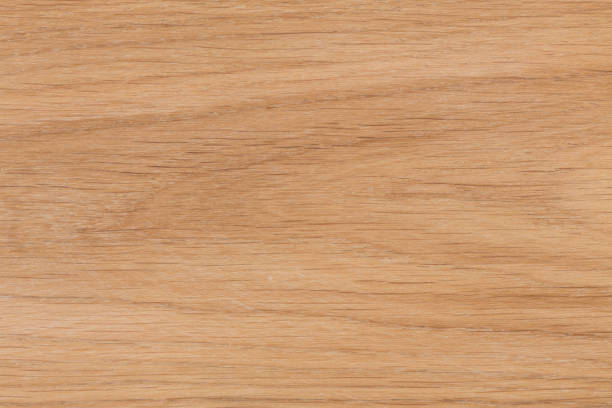
Oak wood has maintained its status as one of the most respected and widely used hardwoods in woodworking, furniture making, and construction for centuries. This iconic timber, available in two main varieties—red oak and white oak—offers an exceptional combination of strength, durability, and unmistakable beauty. Harvested throughout North America, Europe, and Asia, oak represents the gold standard for hardwood performance while providing distinctive grain patterns that have defined quality woodworking across generations.
Unlock 16,000+ Woodworking Plans
Ready to start your next oak project? Get instant access to Ted’s Woodworking plans now and never run out of inspiration!
The Natural Properties of Oak Wood
Appearance and Color Characteristics
Oak possesses a bold, distinctive aesthetic that makes it immediately recognizable in woodworking projects. The wood displays a prominent open grain pattern with remarkable character and visual interest. Red oak typically exhibits warm pinkish to reddish-brown tones, while white oak offers more olive and tan undertones. Both varieties develop a rich patina over time, enhancing their visual depth and warmth.
One of oak’s most distinctive features is its prominent medullary rays—the radial lines that create flecking patterns when quarter-sawn. This characteristic, particularly evident in quarter-sawn white oak, has been prized in furniture styles from Mission to Arts and Crafts. The wood also features a coarse, uneven texture that contributes to its rustic yet dignified appearance when finished.
Hardness and Durability Profile
Oak stands as a benchmark for hardwood durability, with a Janka hardness rating of approximately 1,290 lbf (pounds-force) for red oak and 1,360 lbf for white oak. This places it firmly in the upper-middle range of domestic hardwoods, offering excellent resistance to wear, dents, and damage. The following table illustrates oak’s position relative to other common woodworking species:
| Wood Species | Janka Hardness (lbf) |
|---|---|
| Basswood | 410 |
| White Pine | 420 |
| Poplar | 540 |
| Alder | 590 |
| Douglas Fir | 660 |
| Black Cherry | 950 |
| Soft Maple | 950 |
| Red Oak | 1,290 |
| White Oak | 1,360 |
| Hard Maple | 1,450 |
| Hickory | 1,820 |
Oak’s substantial hardness makes it ideal for high-traffic applications and pieces that will see generations of use. White oak, with its closed cellular structure, offers superior resistance to moisture and decay compared to red oak, making it suitable for outdoor applications and boat building where exposure to elements is expected.
Turn Oak Into Masterpieces
Whether you’re a beginner or a pro, Ted’s Woodworking offers detailed plans that make working with oak simple and rewarding.
Density and Weight Considerations
Oak features high density, contributing to its significant weight and structural strength. This characteristic provides exceptional stability and resistance to warping or twisting over time. The wood’s average dried weight ranges from 700-760 kg/m³, placing it in a heavier category that signals its substantial durability and load-bearing capacity.
Working Properties of Oak
Machining and Processing Capabilities
Oak presents both rewards and challenges during machining operations:
- Cutting and Sawing: Cuts cleanly with sharp tools but can dull edges more quickly than softer woods
- Planing and Jointing: Can tear out around areas of irregular grain without proper technique
- Drilling and Boring: Creates clean holes when using sharp bits at appropriate speeds
- Turning: Offers good resistance on the lathe but requires frequent sharpening of tools
- Carving: Challenging for hand carving due to density but holds detailed work exceptionally well
While demanding respect from woodworkers, oak rewards proper technique with precise results and exceptional structural integrity. Power tools with adequate horsepower and sharp cutting edges produce the best results when working this dense material.
Joining and Fastening Performance
Oak’s density provides exceptional holding power for fasteners:
- Nails require pre-drilling to prevent splitting, especially near edges
- Screws hold exceptionally well but always benefit from pilot holes
- Glued joints create bonds stronger than the wood itself when properly prepared
- Traditional joinery techniques like mortise and tenon showcase oak’s structural advantages
These characteristics make oak ideal for construction that must withstand substantial loads or stresses over time. The wood’s stability ensures that carefully executed joinery remains tight and functional throughout decades of use.
Finishing and Staining Qualities
Oak’s open grain structure creates both opportunities and challenges when finishing:
- Requires filling for glass-smooth surfaces (if desired)
- Accepts stains readily, though often with high contrast between early and late wood
- Benefits from grain highlighting techniques like cerusing or liming
- Develops rich patina with oil finishes that enhance grain definition
- May require additional sealing coats due to its porous nature
The wood’s prominent grain makes it particularly suitable for traditional finishing techniques that emphasize rather than disguise its natural character. Properly finished oak develops increasing depth and beauty over time, with many antique pieces showcasing the remarkable aging potential of this wood.
Free Woodworking Calculators for Perfect Cuts
Before you measure once and cut twice, visit DomesticDecorStore.com for handy calculators to help you plan smarter.
Sustainability and Environmental Aspects
Growth and Harvesting Patterns
Oak represents a generally sustainable hardwood choice when sourced responsibly. Oak trees typically require 80-150 years to reach full maturity for timber harvesting, significantly longer than many alternative hardwoods. This slower growth contributes to its density and strength but necessitates careful forest management.
The species demonstrates varied sustainability credentials:
- Widely distributed across temperate regions globally
- Available from managed forests with strict replanting protocols
- Eligible for FSC (Forest Stewardship Council) and PEFC (Programme for the Endorsement of Forest Certification) certification
- Provides incentive for forest maintenance due to its high value
Environmental Benefits of Oak Trees
Oak trees provide substantial ecological benefits beyond their timber value. As keystone species in many forest ecosystems, oaks support remarkable biodiversity, hosting hundreds of insect species, birds, and mammals. The acorns produced by mature oaks provide essential food sources for wildlife, contributing to forest health and regeneration.
Additionally, oak trees:
- Sequester significant carbon throughout their long lifespans
- Create important wildlife habitat through their structure and food sources
- Contribute to soil stabilization with extensive root systems
- Provide urban cooling and air quality improvements when used in landscaping
Carbon Footprint and Sustainability
Oak’s environmental impact depends significantly on sourcing practices. Locally harvested oak from managed forests represents a relatively low carbon footprint choice, especially when considering the wood’s exceptional lifespan in finished products. Its durability ensures that oak products often remain in use for generations, extending the effective carbon sequestration period.
White oak’s rot resistance makes it one of the few domestic woods suitable for outdoor applications without chemical treatments, providing an environmentally superior alternative to pressure-treated materials for many uses.
Build Smarter With Expert Plans
Oak is strong, but so is the guidance in Ted’s massive plan library. Get started today and create your best project yet.
Common Applications for Oak Wood
Furniture Manufacturing
Oak has defined quality furniture production for centuries, particularly evident in periods like the Arts and Crafts movement and traditional European cabinetry. Its structural strength and distinctive appearance make it ideal for:
- Dining tables and chairs built for generations of use
- Bed frames requiring structural integrity
- Case goods like dressers and armoires
- Benches and seating designed for public spaces
- Heirloom-quality pieces meant to last centuries
The wood’s ability to withstand daily use while developing character makes it particularly suitable for family furniture that improves rather than deteriorates with age. Oak pieces often become treasured heirlooms, developing personal history alongside their natural patina.
Interior Architectural Elements
Oak excels in architectural applications where strength and visual presence are required:
- Flooring that withstands decades of foot traffic
- Staircases combining structural requirements with design impact
- Interior trim and moldings with crisp, well-defined profiles
- Wainscoting and wall paneling for traditional spaces
- Ceiling beams and exposed structural elements
The wood’s natural resistance to wear makes it particularly valuable in these applications, where replacement would be costly and disruptive. Oak architectural elements often outlast other building components, contributing to the character of structures across generations.
Specialty Uses and Niche Applications
Oak’s combination of properties has established it in several specialized fields:
- Barrel making (cooperage) for wine and whiskey aging, particularly white oak
- Boat building components requiring rot resistance and structural integrity
- Traditional timber framing and post-and-beam construction
- Musical instruments, including drum shells and guitar parts
- High-end cutting boards and butcher blocks for culinary use
In many of these applications, oak’s unique properties make it difficult or impossible to substitute with alternative materials without compromising performance.
Selecting Oak for Your Project
Grading Standards and Quality Assessment
Oak is graded according to National Hardwood Lumber Association (NHLA) standards, with grades reflecting the percentage of clear, defect-free material available for cutting from each board:
- FAS (First and Second): Highest grade with minimum 83% clear material
- Select: High-quality boards with one clean face and minor defects on reverse
- No. 1 Common: Good quality with 66% clear material, commonly used for furniture
- No. 2 Common: More knots and character, suitable for rustic applications
- No. 3 Common: Significant character, appropriate for rustic flooring and decorative uses
Beyond standard grades, oak is available in specialty cuts that highlight different grain patterns:
- Plain-sawn (flat-sawn): Displays characteristic “cathedral” grain patterns
- Quarter-sawn: Shows straight grain with distinctive ray fleck patterns
- Rift-sawn: Provides straight, consistent grain with minimal flecking
Cost Considerations and Value Analysis
Oak typically occupies the middle-to-upper range of domestic hardwood pricing. While more expensive than poplar, pine, or alder, it remains more affordable than walnut or cherry. The exceptional durability of oak often justifies its higher initial cost through extended service life and lower replacement frequency.
White oak generally commands a premium over red oak due to its superior weather and rot resistance. Quarter-sawn material of either species costs significantly more than plain-sawn boards but offers enhanced stability and distinctive grain patterns that may justify the investment for appropriate projects.
Sourcing Responsibly Harvested Oak
For environmentally conscious woodworkers, responsible sourcing considerations include:
- Purchasing from suppliers who document sustainable forestry practices
- Seeking FSC or PEFC certification when available
- Considering reclaimed or salvaged oak for projects where appropriate
- Evaluating the full supply chain from forest to final delivery
- Prioritizing domestic sources to reduce transportation impacts
These considerations help ensure that oak remains available for future generations while minimizing environmental impact.
Your Oak Project Deserves the Best Plans
Don’t waste wood or time. Ted’s Woodworking gives you step-by-step blueprints for perfect results every time.
Working with Oak: Best Practices
Design Considerations for Oak Projects
When designing with oak, consider both its advantages and challenges:
Leverage These Strengths:
- Exceptional structural capacity for load-bearing components
- Distinctive grain patterns that create visual interest
- Multi-generational durability for investment pieces
- Ability to blend traditional and contemporary design languages
Account for These Limitations:
- Significant weight in large assemblies
- Potential movement with humidity changes if not properly designed
- Higher tool wear requiring more frequent maintenance
- Challenges in achieving ultra-smooth finishes without proper preparation
Successful oak projects capitalize on the wood’s strength and character while accommodating its weight and movement characteristics through proper design.
Processing and Construction Techniques
To maximize oak’s potential in your projects:
- Keep tools exceptionally sharp to prevent tear-out
- Use freshly jointed edges for optimal glue joints
- Maintain consistent moisture content before and during construction
- Design for wood movement, particularly across the grain
- Consider the orientation of growth rings in structural applications
- Pre-drill for all fasteners, especially near board edges
These techniques help manage oak’s density while taking advantage of its structural properties.
Finishing Methods for Optimal Results
Finishing oak effectively requires understanding its open grain structure:
- Begin with thorough sanding through progressive grits (typically through 180-220)
- Consider grain filling for smooth surfaces or emphasize texture by skipping this step
- Apply pre-stain conditioner for more even coloration when using penetrating stains
- Explore traditional techniques like fuming (for white oak) to develop rich coloration
- Build adequate film thickness with top coats to protect against moisture fluctuations
- Consider penetrating oil finishes to enhance natural grain characteristics
Maintenance and Care for Oak Wood Products
Daily Care Requirements
Oak furniture and elements benefit from appropriate routine care:
- Dust regularly with soft cloths to prevent surface scratching
- Clean with products specifically formulated for wood finishes
- Use coasters and pads to protect surfaces from moisture and heat
- Address spills immediately to prevent water spotting or finish damage
- Maintain consistent indoor humidity levels to prevent excessive movement
Long-term Preservation Strategies
For the extended life of oak products:
- Periodically refresh protective finishes before wear becomes evident
- Apply quality furniture wax or polish appropriate for the finish type
- Keep out of direct sunlight to prevent uneven color changes
- Maintain humidity between 35-45% to minimize seasonal movement
- Inspect and tighten mechanical fasteners annually as needed
Repair and Restoration Methods
When damage occurs to oak pieces:
- Minor scratches can often be remedied with touch-up markers or burnishing
- Deeper damage may require localized refinishing
- Loose joints can typically be disassembled and reglued for decades of additional service
- Professional restoration is often economically justified due to oak’s inherent value
- White oak’s tannic acid content allows color matching through chemical treatments
Comparison with Alternative Wood Species
Oak vs. Other Common Hardwoods
Understanding how oak compares to alternatives guides material selection decisions:
| Characteristic | Oak | Cherry | Maple | Walnut |
|---|---|---|---|---|
| Hardness (Janka) | 1,290-1,360 | 950 | 1,450 | 1,010 |
| Price Point | Moderate-High | High | High | Very High |
| Workability | Moderate | Good | Moderate | Excellent |
| Finishing Ease | Moderate | Good | Good | Excellent |
| Color Stability | Good | Poor (darkens) | Good | Good |
| Weight | Heavy | Medium | Heavy | Medium-Heavy |
When to Choose Oak Over Alternatives
Oak becomes the optimal choice when:
- Structural Strength: Your project requires exceptional durability and load-bearing capacity
- Distinctive Grain: The project benefits from oak’s bold grain patterns and visual character
- Wear Resistance: The application involves high traffic or frequent use
- Traditional Aesthetic: The design calls for the classic look associated with oak
- Value Durability: Long-term performance justifies the initial investment
When Other Woods May Be Preferable
Alternative species might be better choices when:
- Weight Concerns: The project requires minimizing weight
- Ultra-Fine Detailing: Extremely delicate carving or fine detail work is paramount
- Smoother Finishes: Glass-like surfaces are desired without extensive preparation
- Specific Color Requirements: Natural colors outside oak’s range are preferred without staining
- Contemporary Minimalism: Very subtle grain patterns are desired for modern aesthetics
Case Studies: Successful Oak Wood Projects
Historic Library Renovation
A university library renovation project utilized quarter-sawn white oak throughout to restore the building’s historic character. The project included:
- Custom reading tables designed for intensive daily use
- Built-in shelving systems accommodating substantial book weight
- Ornamental trim work replicating original 1920s detailing
- Reception counters and staff workstations
Thirty years after installation, the oak elements maintain their structural integrity and have developed a rich patina that enhances the space’s academic atmosphere. The initial premium for quarter-sawn material has been justified many times over through reduced maintenance costs.
Contemporary Residential Kitchen
A modern home renovation incorporated red oak cabinetry with these distinctive elements:
- Rift-sawn panels providing consistent vertical grain
- Natural finish with clear protective coating to highlight the wood’s color
- Integrated storage solutions utilizing oak’s strength for cantilevered elements
- Contrasting island with black-stained oak creating visual anchor
The oak cabinetry bridges traditional materials with contemporary design language, creating a space that feels both current and timeless. The homeowners report that the wood’s character has improved over the decade since installation.
Commercial Flooring Installation
A retail space installed white oak flooring throughout its high-traffic environment:
- 5,000 square feet of select-grade material
- Site-finished with commercial-grade polyurethane
- Integrated with radiant heating system
- Designed for refinishing capacity over a 50-year lifecycle
After eight years of intensive commercial use, the flooring shows minimal wear in main traffic paths and has developed an attractive patina that enhances the retail environment. The business owner cites the flooring as a key element in creating a premium shopping experience.
Is Oak Right for Your Project?
Oak continues to define quality woodworking through its exceptional combination of strength, character, and longevity. While demanding proper techniques and sharp tools, it rewards craftspeople with results that often outlast the makers themselves. Its distinctive appearance has transcended trends, remaining relevant across centuries of changing design preferences.
For applications where structural integrity, wear resistance, and visual character are priorities, oak remains difficult to surpass. Its higher initial cost compared to some alternatives is typically justified through extended service life and reduced replacement frequency. As sustainability concerns increase, oak’s ability to serve for generations makes it an environmentally responsible choice when properly sourced.
Whether crafting furniture intended to become family heirlooms, installing architectural elements meant to define spaces for decades, or creating utilitarian pieces that will withstand daily use, oak provides proven performance with distinctive character.
Precision Starts With Planning
Oak projects require accuracy—use our woodworking calculators to save time and reduce waste.
Disclaimer
The information provided in this article is based on research and industry knowledge available at the time of writing. Wood properties may vary by source, treatment, and specific growing conditions. Always consult with a professional woodworker or supplier when selecting materials for structural applications or projects with specific requirements.
Affiliate Disclosure
Some links provided in this article may be affiliate links. If you choose to purchase products through these links, we may receive a small commission at no additional cost to you. These commissions help support our content creation efforts.