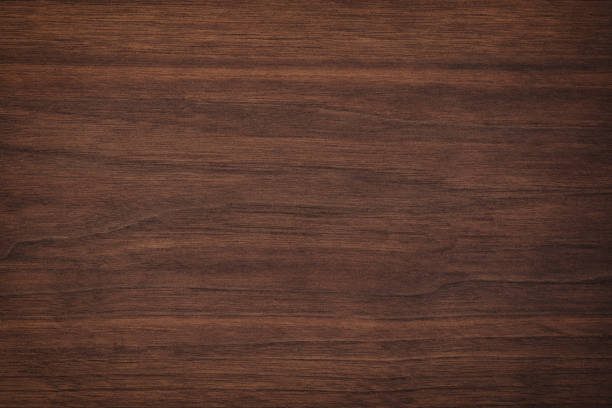
Walnut wood stands as one of North America’s most luxurious and coveted hardwoods, prized for its rich chocolate-brown hues, distinctive grain patterns, and remarkable stability. Available primarily as Black Walnut (Juglans nigra) in North America and English Walnut (Juglans regia) in Europe, this distinctive timber offers an impressive blend of workability, beauty, and natural elegance. Harvested primarily throughout the eastern and central United States, walnut has become synonymous with premium woodworking while providing a warm, sophisticated canvas that develops character and depth as it ages.
Unlock 16,000+ Woodworking Plans
Ready to start your next walnut project? Get instant access to Ted’s Woodworking plans now and never run out of inspiration!
The Natural Properties of Walnut Wood
Appearance and Color Characteristics
Walnut presents a rich, sophisticated aesthetic that makes it exceptionally striking in woodworking projects. The wood typically displays a straight grain pattern with occasional waves or curls, accented by a medium-coarse texture. Black walnut naturally exhibits deep chocolate brown heartwood that can range from purplish-black to warm brown, contrasting dramatically with its creamy white sapwood. As walnut ages, it gradually lightens somewhat, developing golden undertones while maintaining its distinctive character.
Among walnut’s most sought-after characteristics are its occasional figured grain variations—particularly crotch figure, burl, and feather grain patterns. These natural variations create dramatic visual effects through unique cellular structures, commanding premium prices in the marketplace. Walnut’s moderate grain structure contributes to its refined surface quality, allowing for exceptional detail in carved objects and elegant furniture pieces.
Hardness and Durability Profile
Walnut delivers excellent durability with a moderate hardness that makes it remarkably pleasant to work with. With a Janka hardness rating of approximately 1,010 lbf (pounds-force), this wood offers substantial resistance to wear while remaining more forgiving under tools than some harder species. The following table illustrates walnut’s position relative to other common woodworking species:
| Wood Species | Janka Hardness (lbf) |
|---|---|
| Basswood | 410 |
| White Pine | 420 |
| Poplar | 540 |
| Alder | 590 |
| Douglas Fir | 660 |
| Black Cherry | 950 |
| Soft Maple | 950 |
| Walnut | 1,010 |
| Red Oak | 1,290 |
| White Oak | 1,360 |
| Hard Maple | 1,450 |
| Hickory | 1,820 |
Walnut’s ideal combination of moderate hardness and excellent stability makes it perfect for fine furniture, decorative pieces, and heirloom-quality items. Its natural resistance to decay further enhances its durability, though it is not typically recommended for ground contact or exterior applications without proper treatment.
Turn Walnut Into Masterpieces
Whether you’re a beginner or a pro, Ted’s Woodworking offers detailed plans that make working with walnut simple and rewarding.
Density and Weight Considerations
Walnut features medium density, providing excellent structural qualities while remaining manageable in weight. Black walnut’s average dried weight ranges from 640-660 kg/m³, placing it in an ideal middle range for furniture applications. This moderate density contributes to walnut’s exceptional dimensional stability and resistance to warping, making it particularly valuable for pieces where maintaining precise dimensions through seasonal changes is critical.
Working Properties of Walnut
Machining and Processing Capabilities
Walnut responds exceptionally well during machining operations, earning its reputation as one of the most pleasant woods to work with:
- Cutting and Sawing: Cuts cleanly with minimal splintering and moderate tool wear
- Planing and Jointing: Produces exceptionally smooth surfaces with minimal effort
- Drilling and Boring: Creates precise, clean holes with minimal tear-out
- Turning: Excellent turning characteristics with superior detail capacity and finishing potential
- Carving: Ideal carving properties, with consistent resistance and clean edge definition
Walnut’s consistent density and moderate hardness allow for exceptionally precise machining without excessive tool wear. The wood’s forgiving nature makes it especially appreciated by both hand tool enthusiasts and machine woodworkers. Even figured specimens typically present fewer challenges with tear-out than many other species, though sharp tools are always recommended.
Joining and Fastening Performance
Walnut’s properties provide excellent results with all common joinery methods:
- Screws hold extremely well with proper pilot holes
- Glue joints create exceptionally strong bonds due to the wood’s clean machining
- Traditional joinery techniques work beautifully, with walnut’s stability enhancing long-term performance
- Steam bending capabilities are good, though care must be taken to prevent cracking
These characteristics make walnut ideal for applications requiring precise joinery and generations of structural integrity. The wood accepts mechanical fasteners well, but pre-drilling is recommended to prevent splitting, especially near edges or in thinner sections.
Finishing and Staining Qualities
Walnut’s natural beauty reaches its full potential with proper finishing:
- Accepts clear finishes superbly, highlighting its natural depth and character
- Requires minimal preparation for even finish absorption
- Can be easily lightened or darkened to achieve specific tones
- Polishes to an exceptional luster with minimal effort
- Develops enhanced depth and richness over time with oil-based finishes
Unlike many lighter woods, walnut typically requires no staining to achieve its signature rich appearance. Clear oil finishes like tung oil, linseed oil, or oil-varnish blends are particularly complementary, enhancing grain depth while providing protection. Water-based finishes can preserve the wood’s natural color if preventing amber tones is desired, though many woodworkers prefer the richness that develops with oil-based finishes.
Free Woodworking Calculators for Perfect Cuts
Before you measure once and cut twice, visit DomesticDecorStore.com for handy calculators to help you plan smarter.
Sustainability and Environmental Aspects
Growth and Harvesting Patterns
Walnut represents a valuable hardwood resource that requires conscious management. Walnut trees typically require 70-100 years to reach maturity for premium timber harvesting, with the most valuable specimens often developing over even longer periods.
The species presents several sustainability considerations:
- Valuable in managed North American forests with growing regeneration efforts
- Commercially cultivated, though less abundant than maple, oak, and some other domestic hardwoods
- Available with FSC and other sustainability certifications through select suppliers
- Grows as a scattered species within mixed hardwood forests, supporting diverse ecosystems
- Provides economic incentive for maintaining forest lands due to its high value
Environmental Benefits of Walnut Trees
Beyond timber production, walnut trees contribute significant ecological benefits. Walnut trees produce nutritious nuts that support wildlife populations throughout their range. Additionally, walnut trees:
- Provide habitat for numerous bird and mammal species
- Contribute to forest biodiversity with unique ecological niches
- Support various insect species important to forest ecosystems
- Demonstrate good carbon sequestration properties
- Serve as valuable shade trees in appropriate settings
Carbon Footprint and Sustainability
Walnut’s environmental impact depends significantly on sourcing and transportation distance. Domestically harvested walnut from managed forests generally represents a responsible choice with a moderate carbon footprint. The wood’s exceptional durability ensures that properly constructed walnut items often remain in service for generations, extending the effective carbon sequestration period and reducing replacement frequency.
Walnut’s natural durability provides excellent service life without chemical treatments, minimizing environmental impact throughout its use cycle. The wood’s popularity for high-quality, long-lasting furniture makes it a responsible choice when compared to less durable materials requiring more frequent replacement.
Build Smarter With Expert Plans
Walnut demands precision, but so does the guidance in Ted’s massive plan library. Get started today and create your best project yet.
Common Applications for Walnut Wood
Furniture Manufacturing
Walnut has established itself as the premier choice for high-end furniture production, particularly in styles emphasizing natural beauty, elegant lines, and timeless design. Its applications include:
- Fine dining tables and chairs showcasing its rich color and stability
- Executive desks and office furniture projecting sophistication and permanence
- Bedroom furniture leveraging walnut’s warm, inviting aesthetic
- Cabinet and case goods highlighting figured grain patterns
- Mid-century modern and contemporary designs featuring walnut’s clean lines and rich tones
Walnut’s exceptional stability makes it particularly valuable for large case pieces and tabletops, where resistance to warping and movement is critical. Its natural beauty and durability have made it the preferred choice for heirloom-quality furniture designed to last for generations.
Interior Architectural Elements
Walnut excels in architectural applications where sophistication and permanence are priorities:
- Wall paneling and wainscoting for luxury residential and commercial spaces
- Interior doors and entryways making dramatic first impressions
- Custom staircases and railings combining beauty and functionality
- Decorative ceiling beams adding architectural interest
- Luxury flooring for moderate traffic residential areas
The wood’s natural richness makes it particularly valuable in creating focal points and statement elements within interior spaces. Its dimensional stability contributes to walnut’s popularity in applications where consistent fit and long-term performance are critical.
Specialty Uses and Niche Applications
Walnut’s unique properties have established it in several specialized fields:
- Gunstock production due to its stability, shock absorption, and beauty
- High-end musical instruments, including guitar bodies and necks
- Luxury knife handles and fine tool grips
- Premium turning blanks for decorative bowls and artistic pieces
- Decorative veneers for architectural panels and furniture
- Sculptural and artistic woodworking showcasing its carving properties
- Small luxurious gifts and accessories like pens, jewelry boxes, and desk sets
In many of these applications, walnut’s particular combination of beauty, stability, and workability makes it difficult to substitute with alternative materials, despite its premium price point.
Selecting Walnut for Your Project
Grading Standards and Quality Assessment
Walnut lumber follows standard NHLA (National Hardwood Lumber Association) grading rules, though with some considerations unique to this species:
- FAS (First and Second): Highest grade with minimum 83% clear cutting area
- Select: High-quality boards with one clean face and minor defects on reverse
- No. 1 Common: Good quality with 66% clear material, commonly used for furniture
- No. 2 Common: More character marks, suitable for country or rustic styles
- No. 3 Common: Significant character, appropriate for rustic applications
Beyond standard grades, walnut is available in specialty categories commanding premium prices:
- Figured walnut: Including crotch figure, burl, and feather grain varieties
- Steamed walnut: Processed to darken sapwood for more uniform color
- Quarter-sawn: Offering enhanced stability and straight grain patterns
- Rift-sawn: Providing consistent vertical grain ideal for contemporary designs
- Veneer-grade: Selected for exceptional figure and color consistency
Cost Considerations and Value Analysis
Walnut typically occupies the upper range of domestic hardwood pricing, often commanding a premium 2-3 times higher than oak or maple. Figured walnut, particularly with dramatic burl or crotch figure, can cost significantly more than plain material, with prices comparable to premium exotic hardwoods for exceptional specimens.
While walnut’s initial cost exceeds many alternatives, its durability and timeless appeal often deliver better long-term value through extended service life and enduring style. The wood’s popularity and stable market position also help maintain the value of quality walnut furniture over time, making it a sound investment for heirloom-quality pieces.
Sourcing Responsibly Harvested Walnut
For environmentally conscious woodworkers, responsible sourcing considerations include:
- Purchasing from suppliers who document sustainable forestry practices
- Seeking FSC or other credible certification when available
- Prioritizing domestic sources to reduce transportation impacts
- Considering salvaged or urban-harvested walnut when appropriate
- Supporting walnut replanting initiatives through conservation organizations
These considerations help ensure that walnut remains available for future generations while minimizing environmental impact.
Your Walnut Project Deserves the Best Plans
Don’t waste wood or time. Ted’s Woodworking gives you step-by-step blueprints for perfect results every time.
Working with Walnut: Best Practices
Design Considerations for Walnut Projects
When designing with walnut, consider both its advantages and limitations:
Leverage These Strengths:
- Exceptional stability for large surfaces and components
- Rich natural color that requires minimal enhancement
- Excellent machining properties for detailed designs
- Complementary pairing with lighter woods for dramatic contrast
- Subtle yet distinctive grain patterns that add interest without overwhelming
Account for These Limitations:
- Premium price point requiring efficient material use
- Color variation between boards requiring careful selection for consistent appearance
- Photosensitivity that can cause lightening over time in sun-exposed areas
- Weight considerations for large movable pieces
- Occasional mineral deposits (mineral streaks) in some boards
Successful walnut projects capitalize on the wood’s natural elegance and stability while planning designs that make efficient use of this premium material.
Processing and Construction Techniques
To maximize walnut’s potential in your projects:
- Allow freshly milled walnut adequate time to acclimate before final dimensioning
- Maintain sharp cutting tools for cleanest results, though walnut is forgiving
- Consider color matching boards carefully during initial layout
- Take advantage of walnut’s excellent machining properties for precision joinery
- Pre-drill for all fasteners near edges, though walnut splits less readily than some hardwoods
- Test finishes on scrap pieces from the same board before application
These techniques help achieve walnut’s full potential for elegance and precision while managing its natural variations effectively.
Finishing Methods for Optimal Results
Finishing walnut effectively enhances its natural beauty:
- Sand progressively through grits (typically to 220 or higher for fine work)
- Consider grain filling for glass-smooth surfaces, though many prefer walnut’s natural texture
- Explore oil finishes to enhance depth and grain definition
- Test clear finish options to determine desired level of color enhancement
- Consider light applications of shellac to pop the grain before topcoating
- Build adequate protective coating with clear topcoats for wear-prone surfaces
Maintenance and Care for Walnut Wood Products
Daily Care Requirements
Walnut furniture and elements benefit from appropriate routine care:
- Dust regularly with soft cloths to prevent surface scratching
- Clean with products specifically formulated for wood finishes
- Use coasters and pads to protect surfaces from moisture and heat
- Address spills immediately to prevent water spotting
- Maintain consistent indoor humidity levels between 35-45% to minimize seasonal movement
Long-term Preservation Strategies
For the extended life of walnut products:
- Position away from direct sunlight to minimize uneven color changes and fading
- Apply quality furniture polish or wax appropriate for the finish type
- Refresh protective clear coats before wear becomes visible
- Monitor and adjust humidity during extreme seasonal changes
- Periodically inspect and tighten mechanical fasteners
Repair and Restoration Methods
When damage occurs to walnut pieces:
- Minor scratches can often be remedied with careful sanding and finish touch-up
- Color-matching fillers work well for repairs, as walnut’s dark color helps conceal small imperfections
- Refinishing is typically straightforward due to walnut’s cooperative nature
- Professional restoration can often restore even severely damaged pieces
- Consider using walnut oil or paste to refresh dried-out surfaces
Comparison with Alternative Wood Species
Walnut vs. Other Common Hardwoods
Understanding how walnut compares to alternatives guides material selection decisions:
| Characteristic | Walnut | Maple | Cherry | Oak |
|---|---|---|---|---|
| Hardness (Janka) | 1,010 | 950-1,450 | 950 | 1,290-1,360 |
| Price Point | Very High | Moderate-High | High | Moderate-High |
| Workability | Excellent | Good-Moderate | Good | Moderate |
| Finishing Ease | Excellent | Moderate | Good | Moderate |
| Color Stability | Good (lightens) | Moderate (yellows) | Poor (darkens) | Good |
| Weight | Medium | Medium-Heavy | Medium | Heavy |
When to Choose Walnut Over Alternatives
Walnut becomes the optimal choice when:
- Premium Aesthetics: Your project benefits from walnut’s rich, sophisticated appearance
- Stability Requirements: The design features large panels or components requiring minimal movement
- Investment Quality: The project represents an heirloom piece justifying premium materials
- Natural Dark Tones: The design calls for dark wood without staining
- Carving Details: The project incorporates hand or machine carved elements
- Fine Furniture: The piece will be a focal point showcasing superior craftsmanship
When Other Woods May Be Preferable
Alternative species might be better choices when:
- Budget Constraints: Cost is a primary consideration
- High-Wear Applications: The project will receive extremely heavy use (consider hickory or white oak)
- Exterior Exposure: The project will be exposed to weather conditions
- Contemporary Lightness: The design benefits from a brighter, lighter aesthetic
- Dramatic Grain Patterns: The design features prominent grain as a key visual element
- Utilitarian Functions: The project prioritizes function over aesthetic considerations
Case Studies: Successful Walnut Wood Projects
Executive Office Suite
A custom executive office featured walnut throughout for its timeless elegance:
- Built-in wall paneling and cabinetry created a cohesive, sophisticated environment
- Custom desk with waterfall edges showcased continuous grain patterns
- Integrated conference table featured book-matched walnut burl inlay
- Architectural moldings and trim unified the space with warm, rich tones
Ten years after installation, the walnut elements have developed enhanced character while maintaining perfect structural integrity. The owner reports that the space continues to impress clients and provides a productive, inspiring environment that feels both contemporary and timeless.
Heirloom Dining Collection
A multi-generational family commissioned a complete walnut dining collection:
- Extension table designed to accommodate 8-14 people with self-storing leaves
- Twelve coordinating chairs featuring traditional joinery and subtle carved details
- Matching sideboard incorporating dovetailed drawers and figured door panels
- Display cabinet with glass doors to showcase family heirlooms
The collection was designed with the explicit goal of passing these pieces down through generations. After fifteen years of regular use, the furniture has developed a rich patina that enhances its beauty, with all joints and mechanisms functioning perfectly despite regular use.
Contemporary Residential Staircase
An architectural showcase home featured a floating walnut staircase as its central element:
- Cantilever design with steel supports concealed within walnut cladding
- Integrated LED lighting highlighting the wood’s rich tones
- Continuous grain patterns flowing across treads and risers
- Custom handrail with subtle ergonomic shaping for comfort and safety
Five years after installation, the staircase continues to serve as the home’s signature design element. The architect notes that the walnut has maintained its structural integrity perfectly while developing subtle color variations that enhance its visual appeal.
Is Walnut Right for Your Project?
Walnut continues to define premium woodworking through its exceptional combination of beauty, stability, and workability. While commanding a higher price than many alternatives, it rewards craftspeople with pieces that showcase exceptional quality and sophisticated elegance. Its timeless appeal transcends trends, making it suitable for both traditional and contemporary design approaches.
For applications where beauty, stability, and lasting value are priorities, walnut represents an excellent choice. Its higher initial cost compared to alternatives is typically justified through superior performance, timeless appeal, and extended service life. As sustainability concerns increase, responsibly sourced walnut from managed forests remains an environmentally sound choice when properly selected.
Whether crafting furniture designed for generations of use, creating architectural elements to elevate interior spaces, or producing specialty items requiring walnut’s unique properties, this exceptional hardwood delivers proven performance with understated luxury.
Precision Starts With Planning
Walnut projects require accuracy—use our woodworking calculators to save time and reduce waste.
Disclaimer
The information provided in this article is based on research and industry knowledge available at the time of writing. Wood properties may vary by source, treatment, and specific growing conditions. Always consult with a professional woodworker or supplier when selecting materials for structural applications or projects with specific requirements.
Affiliate Disclosure
Some links provided in this article may be affiliate links. If you choose to purchase products through these links, we may receive a small commission at no additional cost to you. These commissions help support our content creation efforts.